
Cloud
With Cloud, CIOs Can Help their Organisations Hit the Road to Net Zero


The information technology industry hasn’t always had a great reputation when it comes to sustainability. Toxins in computers and phones caused consternation at Greenpeace and elsewhere for many years and recycling took some time to mature. Things are much better these days and we can point to successes such as the Energy Star badge program to back up our contention that IT has stepped up to play its part in protecting this fragile planet. But with cloud computing, the opportunity is there to take chunks out of the tech-related carbon footprint.
As a preface to that argument, I should add that IT needn’t be too ashamed of its work to date. Digitisation is a force for good. By reducing physical processes to ones and zeros we are taking a huge amount of weight off carbon-hungry activities in logistics, manufacturing, and elsewhere. Think of publishing, for example. Selling a book consumes trees, chemicals, and ink and requires transportation to warehouses and onwards to shops or consumers. And after all that, it may well end being pulped. A digital equivalent leaves far less of a trail, however.
You could say the same of many other areas too. Think of game and movie streaming, videoconferencing rather than travelling, digital banking compared to cash. Even in some of the trickiest areas of commerce, technology can help: if people can reliably measure themselves and try on clothes virtually then we immediately take swathes out of the horribly lossy apparel sector where returns, overconsumption, and landfill are hurting retailers and, ultimately, our world. And we’re only scratching the surface of what technology can do for transport and smart cities.
Thinking about cloud specifically we can see many ways in which it is not just becoming the default deployment model for convenience, agility, value, and scalability but also the go-to model for the environment. Here, the numbers are far more than incremental gains. The Lawrence Berkeley National Laboratory stated way back in 2013 that in the (albeit unlikely) case of US workers immediately shifting their communications, collaboration, CRM, and productivity tools to the cloud, this single collective act would save enough electricity annually to fuel Los Angeles for a year. Depending on the modernity of the data center being replaced, the cloud could save up to 95 percent of energy associated with the software.
It’s certainly the case that datacentres account for at least one to two percent of global energy consumption and the forecasts suggest that this will multiply in the near future to perhaps eight percent by 2030 and 14 percent by 2040. That sort of growth would see IT surpassing even aviation (in the post-pandemic future when travel returns), one of the current bogeymen of energy consumption.
That’s because the cloud really fulfills a lot of the thinking about responsible ways to live and work. Cloud platforms are infinitely shareable, elastic, and fit for repurposing. Just as a hotel can accommodate a changing roster of guests and create economies of scale on utilities and facilities, a cloud service provider plays host to the masses.
Cloud datacentres aren’t just scaled-up versions of traditional datacentres. They benefit from the latest approaches to HVAC (say ‘aitch-vac’), the facilities management techies’ term for heating, ventilation, and air conditioning. HVAC was a bit of a dirty secret for datacentres because for decades it could be as expensive to cool datacentres as it was to serve up Mips. And with a hyper-scaler datacentre you’re highly likely to reap the benefits of being close to new energy sources too.
These enormous facilities tend to be different in another way. The hyper-scalers have the vast budgets to purchase the best equipment and modern servers and other hardware tend to be like refrigerators at home. That is, the more often you replace them the smaller the relative power envelope they need. Stripped of unnecessary bells and whistles such as video clips, they are also far skinnier and purpose-focused than generic servers. The Open Compute Project, a collaborative project to reimagine hardware design, suggests that 3.75 corporate datacentre servers could be replaced by just one server at a hyper-scaler facility.
There are other advantages too. CSPs have access to talented people and can help hard-pressed in-house IT operations stay on the right side of the changing panoply of rules and regulations that apply to the green agenda. The inexorable trend is away from companies running their own data centres and few progressive companies will want to spend valuable resources understanding the latest and greatest waste management directives or the lacunae of motherboard design impacts on sustainability.
Just as the cloud takes away a lot of the complexities and inefficiencies of datacentre management, it can also obviate a lot of the heavy lifting that it takes to move towards becoming a net-zero business. That is increasingly key to the brand, hiring, and more: the cloud provides a way to effectively outsource that.
In this article, I’ve deliberately focused on the hyper-scalers as they consume more and more of the IT deployment pie but smaller clouds will play their part too and it seems a slam-dunk certainty that the foreseeable future is hybrid. But the broad cloud computing movement and hyper-scale movement especially, can justifiably claim that sustainability should be added to its roster of benefits.
And the issue of technology-related sustainability is still growing.
As Cushing Anderson, programme vice president at IDC, recently said, “The idea of ‘green IT’ has been around now for years, but the direct impact of hyperscale computing can have on CO2 emissions is getting increased notice from customers, regulators, and investors and it’s starting to factor into buying decisions.”
Increasingly ‘smart’ data centres will lead to savings of over a billion metric tons of CO2 emissions over the next four years, IDC said. When the numbers are so large and the stakes are so high, CIOs and other executives will do well to take notice.












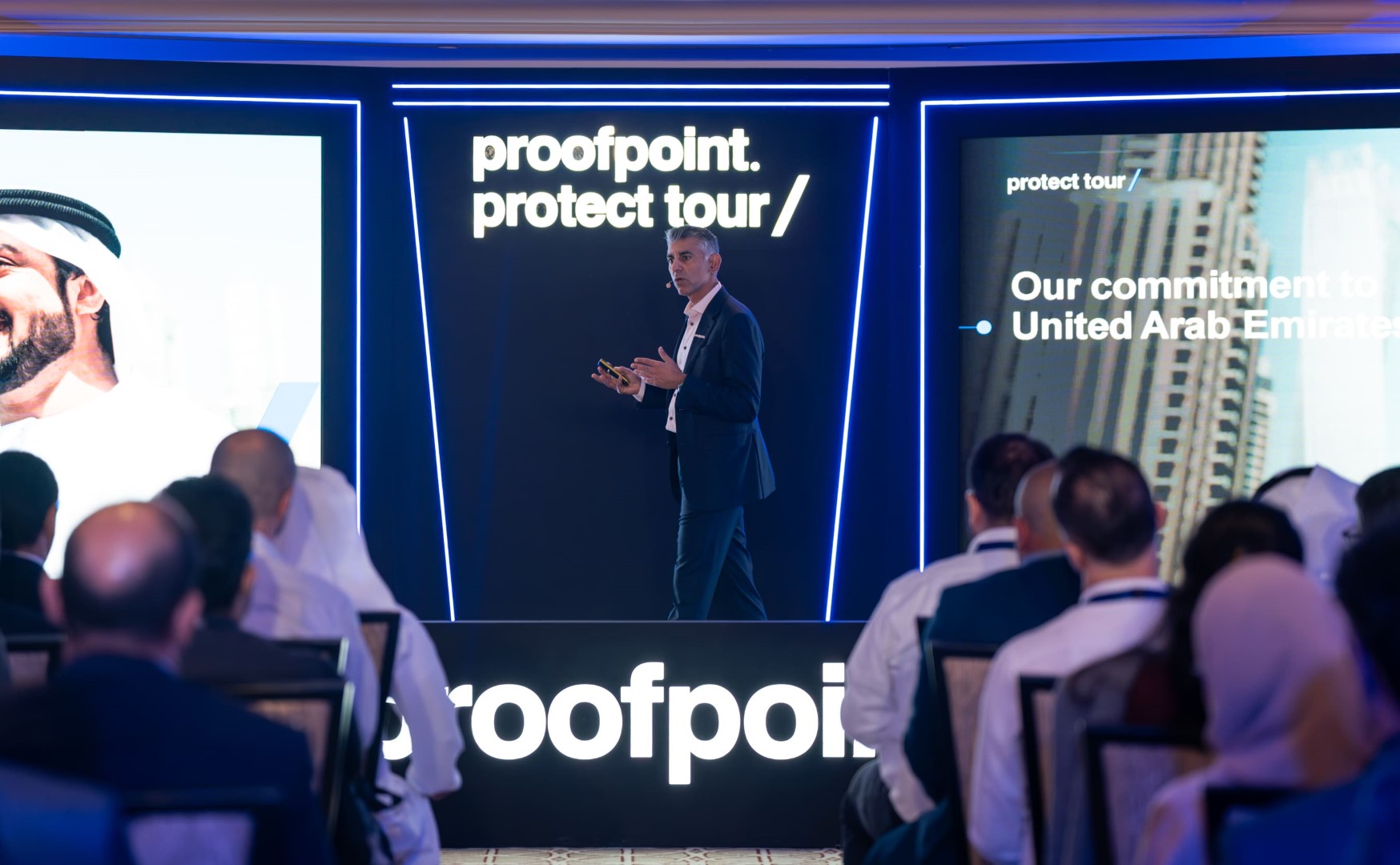
Proofpoint has announced that its human-centric security solutions would be delivered through a local data centre in Dubai, United Arab Emirates. The launch was announced during Proofpoint’s Protect Tour in Dubai this week, during a keynote delivered by Sumit Dhawan, CEO at Proofpoint.
Trusted by 50% of the UAE and KSA-based companies listed in the Forbes Global 2000, Proofpoint’s comprehensive AI-driven cybersecurity solutions help organizations navigate today’s complex threat landscape with confidence, delivering robust protection. Available in Q1 2025, Proofpoint’s offerings will enable UAE-based customers to comply with local data residency policies and meet regulatory compliance.
The cyber threat landscape in the UAE continues to evolve. While Emirati CISOs continue to fear cyber-attacks, they are demonstrating increasing confidence in their ability to defend against them. Proofpoint’s 2024 Voice of the CISO Report reveals that two-thirds (66%) of CISOs in the UAE feel prepared to cope with a cyberattack, an increase from 43% last year. This growing confidence may be attributed to the 89% of Emirati CISOs surveyed looking to deploy AI-powered capabilities to help protect against human error and advanced human-centered cyber threats.
To address this, Proofpoint’s ongoing investments in the region will help organizations in the UAE address human-centric cybersecurity risks, providing the opportunity to benefit from Proofpoint’s market-leading email security solutions, running through an in-country data centre. Proofpoint Email Protection is the only AI/ML-powered, cloud-based threat protection platform that disarms today’s advanced attacks, including email fraud, ransomware, weaponized URLs, multifactor authentication (MFA) bypass for credential phishing, and more.
“Organizations in the United Arab Emirates face a rapidly evolving threat landscape and our main objective over the coming years is to continue protecting even more companies in the region, with innovative, AI-powered solutions,” said Sumit Dhawan, CEO at Proofpoint. “Our solutions being delivered through local a data center underscores our unrelented investment in a key region for us and highlights our commitment to keep pace with the region’s accelerating digital transformation. This will enable organizations in the UAE to roll out multi-layered, cloud-native cybersecurity protection that safeguards people and data from today’s biggest threats, while keeping their data in-country.”
Proofpoint Middle East by the Numbers:
- Proofpoint is trusted by 50% of the UAE and KSA-based companies listed in the Forbes Global 2000 and protects more than 1,200,000 employees across the Middle East.
- Proofpoint’s Middle East customer base saw a growth of more than 20% in 2024, with continued growth at-pace expected in the coming years
- Since 2019, Proofpoint has increased its employee base by more than 40% across the region
- Proofpoint works with over 550 partners across the Middle East, Turkey & Africa
“Organisations in the Middle East are leading the charge in implementing cybersecurity measures to protect their customers from today’s threat landscape,” said Emile Abou Saleh, Vice President, Northern Europe, Middle East, Turkey and Africa at Proofpoint. “At Proofpoint, we remain committed to empowering organizations with the tools and knowledge needed to safeguard their most valuable assets—their people. With our solutions being delivered through a local data center, we will bring our industry-leading human-centric cybersecurity to more organizations in the region, while better meeting local customer and regulatory needs.”
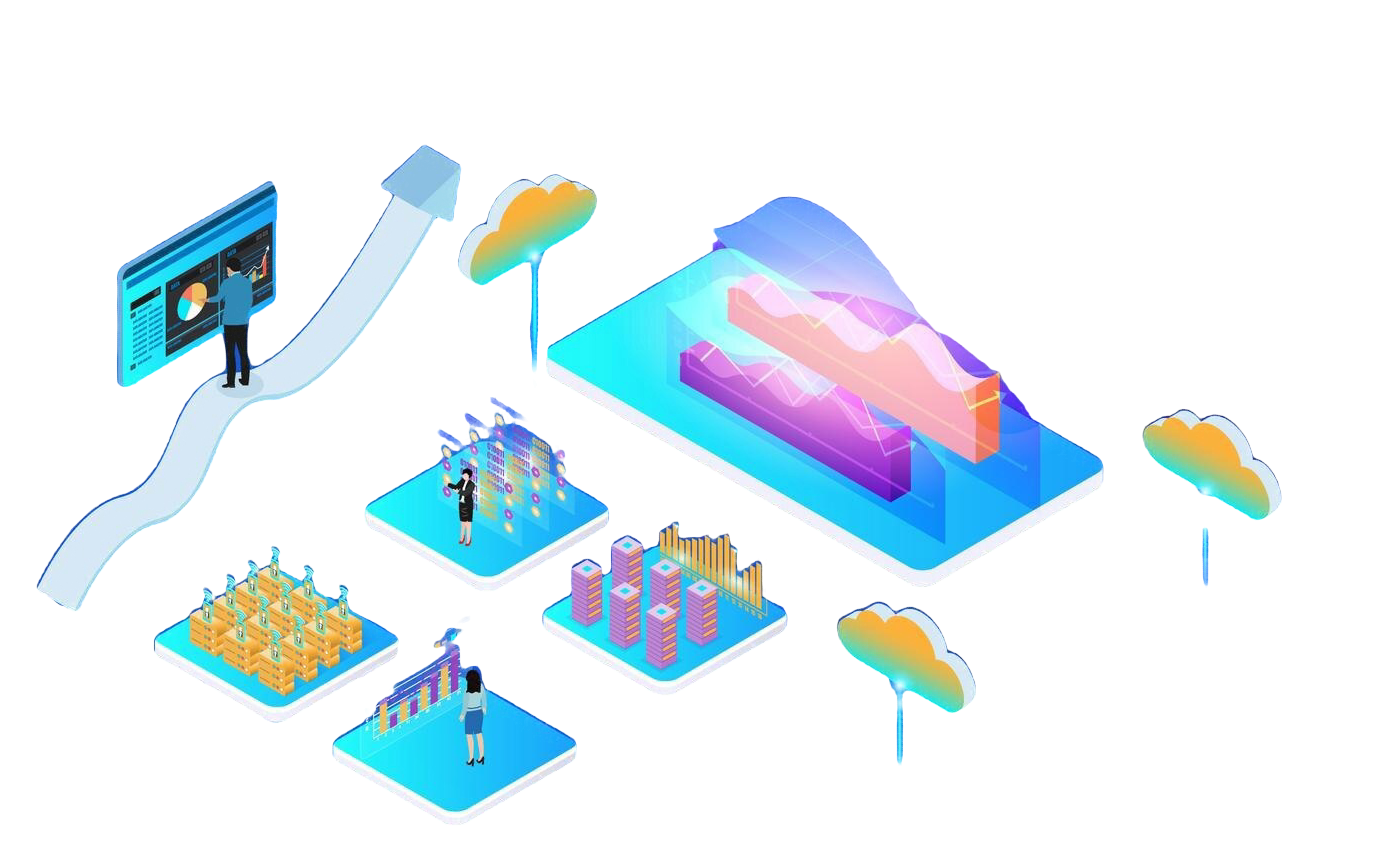
According to new data from SolarWinds, less than one in five (18%) IT professionals believe their present cloud infrastructure satisfies their business needs, indicating a large disconnect between expectations and reality when it comes to cloud adoption. The research, based on a survey of 272 global IT professionals, shows that despite the cloud’s promises of scalability and cost savings, the reality is mixed for many IT teams: only a quarter of those surveyed (25%) feel their organisation’s approach to the cloud is carefully considered and successful, while 23% admit their hybrid cloud strategy has created an overly complex IT environment. Despite this, less than a quarter (22%) of respondents have invested in external IT services to help with their cloud migration strategy.
In response to these cloud challenges, more than one in ten (16%) respondents have already repatriated workloads back to on-premises. Meanwhile, a further 12% acknowledge that poorly planned cloud transitions have already resulted in long-term financial impacts on their organisations. This goes to show that rushed cloud migrations can lead to costly fixes or reversals.
The data also indicates a lack of trust in cloud security, with nearly half (46%) of IT pros still storing their most sensitive data on-premises due to persistent security worries. However, the findings do highlight a continued focus on cloud strategies to reduce costs. Nearly a third (29%) of respondents say they are prioritising cloud migration to cut operational costs.
Commenting on the findings, Sascha Giese, Global Tech Evangelist at SolarWinds, said, “The truth is, managing complex hybrid-cloud ecosystems isn’t easy. While the cloud promises scalability and cost savings, the gap between expectation and execution is becoming increasingly evident. In this landscape, many businesses find themselves grappling with overly complex infrastructures that struggle to meet evolving needs.”
In a hybrid cloud world with increasingly complex networks, systems, devices, and applications, managing microservices and containers adds to the challenge. Without proper planning and comprehensive visibility, organisations risk finding themselves in a dire situation. Tool sprawl, information silos, and alert fatigue can all lead to an unpleasant cloud experience, making it harder to identify the root causes of complex issues.
“To overcome these challenges, IT leaders must adopt a more strategic and informed approach to cloud migration, focusing on tools that are reliable, secure, and accelerate modernisation. One key advantage businesses can leverage to successfully manage their hybrid cloud infrastructures is comprehensive observability. That means gaining real-time visibility into every layer of the IT estate and acting proactively with the assistance of machine learning algorithms and AI-driven analytics. Cloud infrastructure can be a powerful growth enabler, but with a mess of mismatched tools and poor visibility, it will be a bumpy ride,” added Giese.


Fortinet has announced the general availability of Lacework FortiCNAPP, a unified, AI-driven platform to secure everything from code to cloud from a single vendor. “Lacework FortiCNAPP is based on Lacework’s proven cloud-native application protection platform with tight integration with the Fortinet Security Fabric,” said John Maddison, Chief Marketing Officer at Fortinet. “We’re pleased to expand our cloud-native security offerings and provide the industry’s most comprehensive, full-stack cloud security platform that empowers teams to seamlessly eliminate risk across their multi-cloud environments.”
The introduction of Lacework FortiCNAPP offers additional benefits that extend beyond Lacework’s leading offering. These include automated remediation and blocking of active runtime threats and enhanced visibility into FortiGuard Outbreak Alerts, which provide key information about new and emerging threats and the risk they pose within an organization’s environment.
As customers continue to adopt cloud infrastructure and services, they are quickly realizing that traditional security tools simply lack the native capabilities required to address the scale, velocity, and dynamic nature of the cloud. Security teams are fundamentally challenged by the lack of time to address cloud security at scale due to limited cloud security knowledge, a proliferation of cloud security products that do little to help customers resolve issues, and an overwhelming number of security and compliance alerts.
With Lacework FortiCNAPP, Fortinet simplifies and strengthens cloud security with a unified platform from a single vendor that brings together multiple tools to significantly cut down the time to detect, prioritize, investigate, and respond to cloud-native threats. Lacework FortiCNAPP introduces a unique AI approach that never stops learning, maximizing cloud security with minimal time and effort for development, operations, and security teams by automatically connecting risk insights with runtime threat data, and ensuring that the most critical issues are prioritized and addressed.
Fortinet enables customers to address all their cloud security needs by delivering key features such as:
- A unified platform: Fragmented tools create complex, expensive, and limited protection. As a platform, Lacework FortiCNAPP provides full visibility from code to cloud and correlates build and runtime risk and threat data to prioritize what matters most.
- AI-based anomaly detection: Given that cloud threats evolve as quickly as the cloud itself, creating rules for every potential attack scenario is nearly impossible. Lacework FortiCNAPP’s AI-based anomaly detection allows security analysts to detect previously undefined attack patterns that traditional rules-based systems cannot accomplish.
- Integrated code security: Code security integrated with cloud security empowers teams to address issues at the earliest and most cost-effective stage in the application life cycle. By offering code security as an integral capability within the platform, customers can save time and money by fixing security issues, and reducing the risk of vulnerable applications and infrastructure while maintaining developer productivity and innovation velocity.
- Composite alerts: Lacework FortiCNAPP is unique in detecting early signs of active attacks by automatically correlating various signals into a single, high-confidence composite alert. The platform uses behavioural analytics, anomaly detection, in-house threat intelligence, and insights from cloud service provider activity logs and threat services to identify active attacks, including compromised credentials, ransomware, and crypto-jacking.
- Integrations with the Fortinet Security Fabric: Integrations with Fortinet solutions such as FortiSOAR enable customers to streamline their response to active runtime threats, such as compromised hosts and compromised access keys, through automated remediation playbooks. Additionally, its integration with FortiGuard Outbreak Alerts helps teams understand how Lacework FortiCNAPP delivers enhanced visibility and deeper insights into the latest threats and where the solution can disrupt potential attacks.
- Cloud Infrastructure Entitlement Management (CIEM): Lacework FortiCNAPP provides CIEM with complete visibility into cloud identities and their permissions. It automatically discovers identities, assesses net-effective permissions, and highlights excessive ones by comparing granted versus used permissions. Each identity is assigned a risk score based on more than 30 factors, helping prioritise high-risk identities. Lacework FortiCNAPP also offers automated remediation guidance for right-sizing permissions, ensuring least-privileged access.

Positive Technologies Reports 80% of Middle East Cyberattacks Compromise Confidential Data

Qualys Partners with Teksalah, the First Middle Eastern MSP in its mROC Alliance

CyberKnight Sets Up South Africa Entity

ManageEngine Enhances PAM with Native Intelligence

EcoOnline Expands into Middle East

OPSWAT Joins GISEC 2025 as Middle East Confronts AI-Driven Cyber Threats

GISEC Global 2025: SANS Institute to Showcase Elite Cybersecurity Training and Threat Expertise

Fortinet Expands FortiAI Across its Security Fabric Platform

How AI is Reinventing Cybersecurity for the Automotive Industry

GISEC 2025 Launches OT Security Conference Amid 49% Infrastructure Attack Surge

Positive Technologies @ GISEC Global 2025: Demonstrating Cutting-Edge Cyber Threats and AI Defense Strategies

Group-IB @ GISEC Global 2025: Tackling Evolving Cyber Threats with Localised Intelligence and AI

Video: Wallarm Unveils the Key to Cloud-Native API Security at GISEC Global 2025

Video: CyberKnight on Zero Trust, AI, and Saudi Arabia’s Digital Transformation at GISEC Global 2025

Video: SANS Institute Weighs in on Deepfakes, Model Poisoning and Risk Frameworks at GISEC Global 2025
-
 GISEC1 week ago
Positive Technologies @ GISEC Global 2025: Demonstrating Cutting-Edge Cyber Threats and AI Defense Strategies
-

 Cyber Security1 week ago
Axis Communications Sheds Light on Video Surveillance Industry Perspectives on AI
-
 GISEC1 week ago
Video: SANS Institute Weighs in on Deepfakes, Model Poisoning and Risk Frameworks at GISEC Global 2025
-
 GISEC1 week ago
ManageEngine @ GISEC Global 2025: AI, Quantum Computing, and Ransomware Form Part of Cybersecurity Outlook for 2025
-
 GISEC1 week ago
Video: SentinelOne Speaks Hyperautomation, Purple AI, and the Future of Threat Detection at GISEC Global 2025
-
 Africa Focus6 days ago
CyberKnight Sets Up South Africa Entity
-
 GISEC1 week ago
Group-IB @ GISEC Global 2025: Tackling Evolving Cyber Threats with Localised Intelligence and AI
-
 GISEC1 week ago
Video: CyberKnight on Zero Trust, AI, and Saudi Arabia’s Digital Transformation at GISEC Global 2025