
Expert Speak
Addressing Cybersecurity and Climate Change for a Sustainable Society


Written by Barbara Maigret, Global Head of Sustainability and CSR at Fortinet
Our society faces significant challenges that must be addressed quickly to prevent disruptions that can threaten lives. The first is climate change, which poses a risk to our planet. According to the 2022 Global Risks Report, the current climate crisis remains humanity’s most significant long-term challenge. The second is cybersecurity, which has become a broad sustainability issue, threatening our evolving connected society and the digital economy on which individuals, organizations, and nations now rely.
These are both top concerns for governments, businesses, and individuals worldwide. And while these issues may seem starkly different, according to the “Declaration for the Future of the Internet” (recently issued by the U.S. Department of State and more than 60 signatory countries and partners), technology plays a critical role in “the fight against global climate change,” which, in turn, makes securing technology even more urgent.
Fortunately, the approaches to addressing these challenges are remarkably similar. They include changing behaviors, funding innovation, establishing strict and enforceable regulations, and encouraging collaboration across industries and interests.
Motivating Behavior Change Through Awareness
One of the most significant barriers to addressing these challenges is human nature. So, the first step to addressing these issues is to change behaviors, and that is done through awareness. Of course, not everyone will change, but we can tip the scales if enough people understand the issues and then adapt their behaviors.
Climate Change
Awareness is an essential factor in the global fight against climate change. Knowledge helps people understand the causes and consequences of global warming and encourages them to change their behavior, so we can adapt how we live to the realities of what is already a global emergency. A recent survey queried more than 3,000 people in eight countries about their awareness of climate change.
Even during the pandemic, 76% of respondents reported that environmental issues were the same or more concerning than health issues. And, 70% said they were more aware now than before COVID-19 that human activity threatens the climate and that the degradation of the environment threatens humans. They also expressed a commitment to changing their behavior to support a sustainability strategy.
Cybersecurity
Awareness also plays a crucial role in improving cybersecurity. The most vital step in the fight against cyberattacks is improving our first line of defense. While security technology continues to improve, the biggest challenge—and opportunity—is the human element. According to the 2021 Verizon Data Breach Investigations Report, 85% of data breaches involve human error. Opening a malicious email attachment, forgetting to change the password on a server, misconfiguring a device, or failing to patch or update a device are still the most common ways for attackers to breach a network.
Educating individuals on the risks they should avoid through cybersecurity awareness training is the most effective way to prevent most threats. Providing a workforce with the latest information about specific threats to the company and clearly explaining their essential role in protecting against them – both at work and at home – are vital for securing corporate networks and systems and keeping users safe online. This same effort needs to be added to school curriculum so children who grow up in an immersive digital society are also cyber aware. Effective cybersecurity awareness motivates lasting behavior change, both professionally and personally.
Fighting Climate Change and Cybersecurity Risk Through Innovation
Innovation is another area where these critical issues intersect. Technology plays a crucial role in helping society retool the systems and infrastructure needed to achieve and maintain a sustainable society.
Climate Change
Green technology innovation in all sectors is essential to addressing the global challenge of climate change. Renewable energy sources (solar, wind, wave, tidal, and geothermal power), sustainable transportation (electric vehicles, smart energy grids to reduce waste and improve efficiency), clean manufacturing processes, green buildings, and more energy-efficient devices all play a critical role in delivering considerably improved environmental performance.
According to the Global e-Sustainability Initiative, technology has the potential to contribute to all 17 goals of the UN’s Sustainable Development Goals (SDGs). Technology and innovation have the power to implement climate transformation and address the critical challenges of climate change. For example, emerging technologies, like extracting carbon from the atmosphere, can aid in slowing down global warming and help heal the planet. Similarly, new Internet-of-Things (IoT) technologies are being distributed globally to improve data-driven decision-making to increase energy efficiency, amplify the effectiveness of “green” technologies such as wind power and bioenergy, and further reduce our dependence on coal-based electricity generation.
Cybersecurity
As our society accelerates its dependence on technology to ensure a sustainable future, cybersecurity becomes mission-critical. To enable and secure digital acceleration and innovation across every sector of the modern digital economy, cybersecurity vendors must develop solutions that can keep up with technological advances and address how today’s businesses, governments, and individuals use technology.
For example, to scale and adapt to today’s rapidly evolving digital world, cybersecurity is learning to apply advanced artificial intelligence and machine learning (AI and ML) to analyze massive volumes of data to detect sophisticated breaches and unusual network activity. It is also having to consolidate solutions so automation can be better leveraged to accelerate threat response time. Similarly, new security systems must be developed to protect emerging technologies, such as quantum computing, that hold so much promise.
Enforcing Climate Change and Cybersecurity Through Regulations
While self-regulation is ideal, regulations and international standards are necessary to drive a change in behaviors, especially if we hope to affect that change in the limited timeframe available.
Climate Change
Standards are essential to fighting climate change. They ensure trust, integrity, and consistent management in measuring and verifying greenhouse gas emissions and energy efficiency. To ensure progress is being made consistently, global frameworks are essential. The Taskforce on Climate-Related Financial Disclosures (TCFD) has become a worldwide standard for consistent climate-related financial risk disclosures. Companies, banks, and investors use it to provide sustainability information to stakeholders.
The EU’s Sustainable Finance Disclosure Regulation (SFDR) is designed to help stakeholders and clients understand, compare, and monitor the sustainability characteristics of investment funds, including their environmental impact. The Corporate Sustainability Reporting Directive (CSRD), due to go live in 2023, requires all large companies to report on their social and environmental impact.
And in the United States, the SEC draft rule, which requires public companies to disclose extensive climate-related information in their SEC filings starting in the fiscal year 2023, is another regulation that ensures that organizations are focused – and reporting on – efforts with environmental impact. These and similar measures put teeth in the governments of the more generic agreement have adopted, such as the Paris Agreement.
Cybersecurity
As with climate change, a unified set of practices and regulations serves as a shared map and reference point for organizations looking to secure digital infrastructures. They reduce risk by ensuring a baseline of quality and compliance for both technology and processes. Widely accepted guidelines for cybersecurity, such as NIST and ISO 27000 certification standards, help organizations implement best practices and technologies.
On the other side, regulations like GDPR and HIPAA ensure data privacy, protect personally identifiable information (PII), and force organizations to report on breaches. In addition, following the series of executive orders from the White House on the need for cybersecurity, the SEC has proposed new cybersecurity requirements for investment advisers and registered investment companies. They have also unveiled a proposed set of cybersecurity disclosure rules for public companies to standardize cybersecurity-related incident reporting, governance, and risk management.
Such standards are vital for ensuring that security requirements are consistently met using best practices and compliant solutions. Current and proposed regulations are designed to have the same effect as those targeting climate change.
Addressing Climate Change and Cybersecurity Through Collaboration
If there is one lesson to be learned, it’s that none of us can do this alone. In an age of specialization, we must develop private-public partnerships to help us more effectively address climate change, cybersecurity, and other emerging challenges.
Climate Change
As clearly highlighted during COP26 (the 2021 United Nations Climate Change Conference), saving the planet from climate change will not be possible without close partnerships between governments, NGOs, the private sector, and the public. A collective effort will be necessary if we are to meet global temperature and emissions reduction goals set by the Paris Agreement, new regulatory and compliance requirements, and the UN’s 17 SGDs.
Cybersecurity
The arms race with cybercriminals also can’t be won without global collaboration. Vendors, businesses, public agencies, and governments all have a role to play, whether through local coalitions, national organizations, or international forums. Disrupting cybercrime activities and dismantling the attack infrastructure is a joint responsibility that requires strong, trusted relationships between public and private organizations.
An example is FIRST, a consortium of incident response and security teams from every country that works together to ensure a safe Internet. Other leading partnerships include the NATO Industry Cyber Partnership (NICP) on cyber threat intelligence sharing and the World Economic Forum’s Partnership Against Cybercrime (PAC), which is currently mapping all major global cybercrime syndicates.
Conclusion
At the end of the day, if enough people switch to renewable energy, enough businesses take the necessary precautions to protect their systems and data, and enough governments take efforts to level the digital playing field, I am confident we can make our world sustainable.












Written by Alain Penel, VP of Middle East, CIS & Turkey at Fortinet (more…)

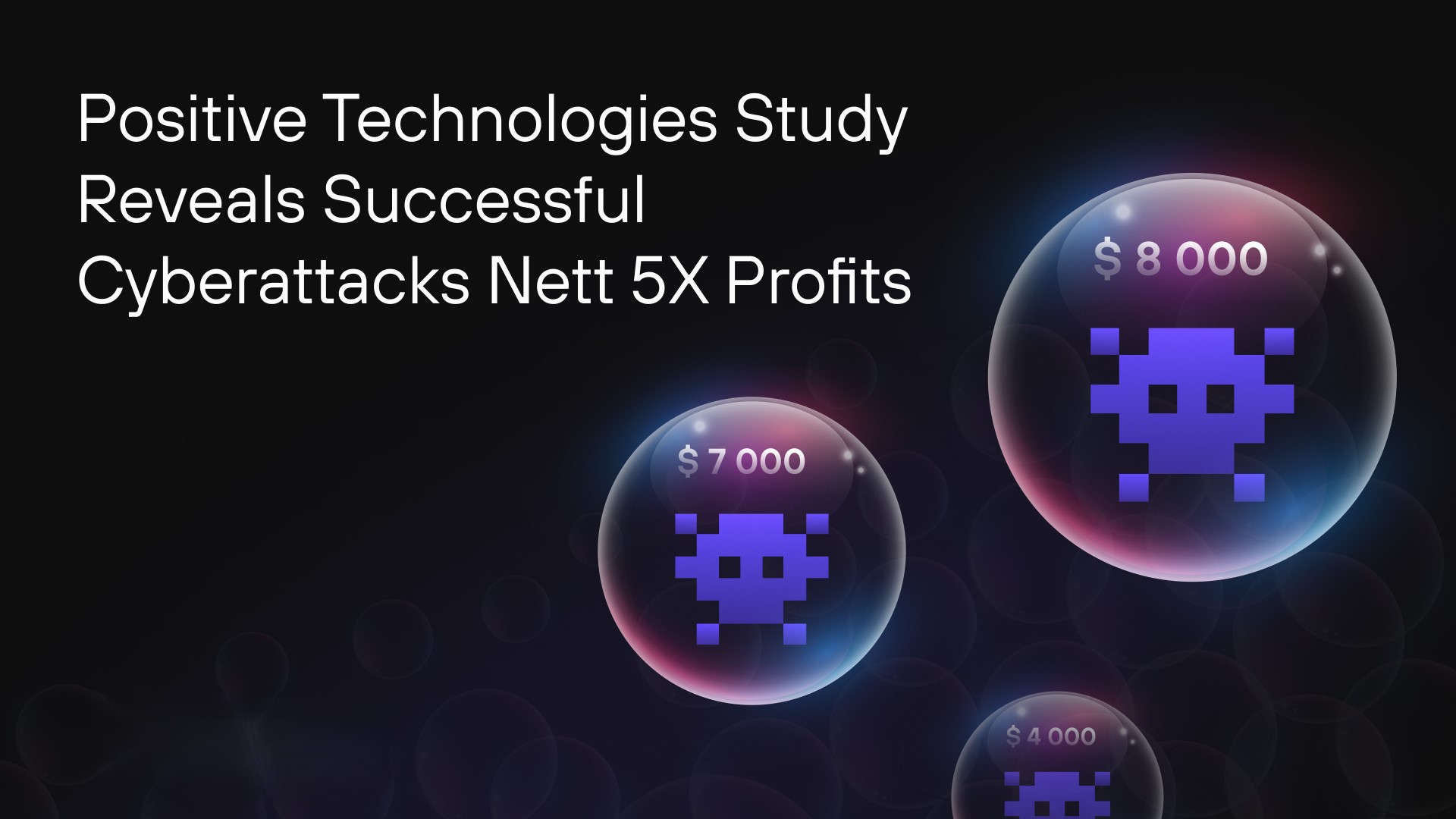
Positive Technologies has released a study on the dark web market, analysing prices for illegal cybersecurity services and products, as well as the costs incurred by cybercriminals to carry out attacks. The most expensive type of malware is ransomware, with a median cost of $7,500. Zero-day exploits are particularly valuable, often being sold for millions of dollars. However, the net profit from a successful cyberattack can be five times the cost of organizing it.
Experts estimate that performing a popular phishing attack involving ransomware costs novice cybercriminals at least $20,000. First, hackers rent dedicated servers, subscribe to VPN services, and acquire other tools to build a secure and anonymous IT infrastructure to manage the attack. Attackers also need to acquire the source code of malicious software or subscribe to ready-to-use malware, as well as tools for infiltrating the victim’s system and evading detection by security measures. Moreover, cybercriminals can consult with seasoned experts, purchase access to targeted infrastructures and company data, and escalate privileges within a compromised system. Products and tools are readily available for purchase on the dark web, catering to beginners. The darknet also offers leaked malware along with detailed instructions, making it easier for novice cybercriminals to carry out attacks.
Malware is one of the primary tools in a hacker’s arsenal, with 53% of malware-related ads focused on sales. In 19% of all posts, infostealers designed to steal data are offered. Crypters and code obfuscation tools, used to help attackers hide malware from security tools, are featured in 17% of cases. Additionally, loaders are mentioned in 16% of ads. The median cost of these types of malware stands at $400, $70, and $500, respectively. The most expensive malware is ransomware: its median cost is $7,500, with some offers reaching up to $320,000. Ransomware is primarily distributed through affiliate programs, known as Ransomware-as-a-Service (RaaS), where participants in an attack typically receive 70–90% of the ransom. To become a partner, a criminal must make a contribution of 0.05 Bitcoin (approximately $5,000) and have a solid reputation on the dark web.
Another popular attack tool is exploits: 69% of exploit-related ads focus on sales, with zero-day vulnerability posts accounting for 32% of them. In 31% of cases, the cost of exploits exceeds $20,000 and can reach several million dollars. Access to corporate networks is relatively inexpensive, with 72% of such ads focused on sales, and 62% of them priced at under a thousand dollars. Among cybercriminal services, hacks are the most popular option, accounting for 49% of reports. For example, the price for compromising a personal email account starts at $100, while the cost for a corporate account begins at $200.
Dmitry Streltsov, Threat Analyst at Positive Technologies, says, “On dark web marketplaces, prices are typically determined in one of two ways: either sellers set a fixed price, or auctions are held. Auctions are often used for exclusive items, such as zero-day exploits. The platforms facilitating these deals also generate revenue, often through their own escrow services, which hold the buyer’s funds temporarily until the product or service is confirmed as delivered. On many platforms, these escrow services are managed by either administrators or trusted users with strong reputations. In return, they earn at least 4% of the transaction amount, with the forums setting the rates.”
Considering the cost of tools and services on the dark web, along with the median ransom amount, cybercriminals can achieve a net profit of $100,000–$130,000 from a successful attack—five times the cost of their preparation. For a company, such an incident can result not only in ransom costs but also in massive financial losses due to disrupted business processes. For example, in 2024, due to a ransomware attack, servers of CDK Global were down for two weeks. The company paid cybercriminals $25 million, while the financial losses of dealers due to system downtime exceeded $600 million.


Written by Oded Vanunu, Chief Technologist & Head of Product Vulnerability Research at Check Point (more…)

Positive Technologies Reports 80% of Middle East Cyberattacks Compromise Confidential Data

Qualys Partners with Teksalah, the First Middle Eastern MSP in its mROC Alliance

CyberKnight Sets Up South Africa Entity

ManageEngine Enhances PAM with Native Intelligence

EcoOnline Expands into Middle East

OPSWAT Joins GISEC 2025 as Middle East Confronts AI-Driven Cyber Threats

GISEC Global 2025: SANS Institute to Showcase Elite Cybersecurity Training and Threat Expertise

Fortinet Expands FortiAI Across its Security Fabric Platform

How AI is Reinventing Cybersecurity for the Automotive Industry

GISEC 2025 Launches OT Security Conference Amid 49% Infrastructure Attack Surge

Positive Technologies @ GISEC Global 2025: Demonstrating Cutting-Edge Cyber Threats and AI Defense Strategies

Group-IB @ GISEC Global 2025: Tackling Evolving Cyber Threats with Localised Intelligence and AI

Video: Wallarm Unveils the Key to Cloud-Native API Security at GISEC Global 2025

Video: CyberKnight on Zero Trust, AI, and Saudi Arabia’s Digital Transformation at GISEC Global 2025

Video: SANS Institute Weighs in on Deepfakes, Model Poisoning and Risk Frameworks at GISEC Global 2025
-
 GISEC1 week ago
Positive Technologies @ GISEC Global 2025: Demonstrating Cutting-Edge Cyber Threats and AI Defense Strategies
-

 Cyber Security1 week ago
Axis Communications Sheds Light on Video Surveillance Industry Perspectives on AI
-
 GISEC1 week ago
Video: SANS Institute Weighs in on Deepfakes, Model Poisoning and Risk Frameworks at GISEC Global 2025
-
 GISEC1 week ago
ManageEngine @ GISEC Global 2025: AI, Quantum Computing, and Ransomware Form Part of Cybersecurity Outlook for 2025
-
 GISEC1 week ago
Video: SentinelOne Speaks Hyperautomation, Purple AI, and the Future of Threat Detection at GISEC Global 2025
-
 Africa Focus6 days ago
CyberKnight Sets Up South Africa Entity
-
 GISEC1 week ago
Group-IB @ GISEC Global 2025: Tackling Evolving Cyber Threats with Localised Intelligence and AI
-
 GISEC1 week ago
Video: CyberKnight on Zero Trust, AI, and Saudi Arabia’s Digital Transformation at GISEC Global 2025