
GISEC
Check Point Bets on its Infinity Platform to Address Digital Security and Privacy Challenges


Ram Narayanan, the Country Manager for the Middle East at Check Point Software Technologies, says the cybersecurity industry faces a pronounced skills gap, exacerbated by advancing technology and growing demand for experts
Tell us about the cybersecurity trends for 2024.
In 2024, cybersecurity trends are characterized by significant advancements and challenges. Check Point Software’s predictions for 2024 highlight the central role of artificial intelligence (AI) and machine learning (ML) in cyberattacks, with an increase in AI-directed attacks and the use of deepfake technology for phishing. The industry will witness a shift towards “zero trust” models in supply chains amidst rising cyber threats to critical infrastructure.
AI will revolutionise cyber insurance with predictive risk assessment, reducing premiums. Nation-state attacks and hacktivism will persist, while deepfake technology will pose new threats. Phishing attacks will grow more sophisticated, and ransomware will evolve with AI integration. Regulatory scrutiny of AI usage will intensify.
What is the theme of your participation at GISEC 2024?
At GISEC 2024, Check Point Software Technologies underscores its commitment to fortifying organizations against evolving cyber threats. With the UAE facing an average of 1,207 cyberattacks per organization weekly over the last six months, Check Point aims to exhibit its innovative AI-powered, cloud-delivered cybersecurity platform solutions. Its participation at GISEC centres on showcasing the Check Point Infinity Platform, designed to address modern challenges. Additionally, the company prioritizes strengthening customer and partner relationships, reflecting its ongoing dedication to providing advanced cybersecurity solutions tailored to the region.
Which products and solutions will you be showcasing at GISEC 2024?
GISEC being the largest cyber security exhibition and conference in the Middle East, provides a premier platform for industry leaders to showcase the latest innovations and solutions. At the event, Check Point Software will be showcasing the company’s flagship Check Point Infinity Platform, which is at the forefront of AI-powered, cloud-delivered cybersecurity. Visitors can explore these solutions at booth #C39 in Hall 7, where the following highlights will be featured:
- Check Point Infinity Playblocks: Automatically triggers preventive actions upon detecting an attack, swiftly containing threats through a consolidated, cloud-based security platform.
- Check Point Infinity AI Copilot: Enhances the efficiency of security teams by leveraging AI to automate complex tasks and deliver proactive security solutions.
- Check Point UAE Infinity Portal: Tailored to meet the needs of organizations of all sizes while fully adhering to the UAE’s data privacy regulations.
How are you equipped to help companies overcome digital security and privacy challenges?
Check Point Software Technologies is equipped to address digital security and privacy challenges with its comprehensive Check Point Infinity Platform. Designed to navigate the evolving threat landscape, the platform offers holistic protection, streamlined operations, and collaborative communication capabilities. Leveraging AI throughout, Check Point enhances cybersecurity efficiency and accuracy, enabling proactive threat anticipation and rapid response.
With solutions such as Check Point Harmony securing workspaces, Check Point CloudGuard safeguarding the cloud, Check Point Quantum protecting networks, and Infinity Core Services facilitating collaborative security operations, Check Point Software empowers organizations to mitigate risks effectively.
Is there a skills gap in the cybersecurity industry? What needs to be done to bridge that gap?
The cybersecurity industry faces a pronounced skills gap, exacerbated by advancing technology and growing demand for experts. With Cybersecurity Ventures predicting approximately 3.5 million unfilled positions expected by 2025, addressing this gap necessitates a multifaceted approach.
Educational initiatives, training programs, and certifications are crucial, alongside public-private partnerships and governmental support. Companies must invest in employee development and collaborate with educational institutions to promote cybersecurity education. Proactive measures are vital to cultivating a skilled workforce capable of meeting the industry’s expanding needs.










Cyber Security
Positive Technologies Reports 80% of Middle East Cyberattacks Compromise Confidential Data


A new study by cybersecurity firm Positive Technologies has shed light on the evolving cyber threat landscape in the Middle East, revealing that a staggering 80% of successful cyberattacks in the region lead to the breach of confidential information. The research, examining the impact of digital transformation, organized cybercrime, and the underground market, highlights the increasing exposure of Middle Eastern nations to sophisticated cyber threats.
The study found that one in three successful cyberattacks were attributed to Advanced Persistent Threat (APT) groups, which predominantly target government institutions and critical infrastructure. While the rapid adoption of new IT solutions is driving efficiency, it simultaneously expands the attack surface for malicious actors.
Cybercriminals in the region heavily utilize social engineering tactics (61% of cases) and malware (51%), often employing a combination of both. Remote Access Trojans (RATs) emerged as a primary weapon in 27% of malware-based attacks, indicating a common objective of gaining long-term access to compromised systems.
The analysis revealed that credentials and trade secrets (29% each) were the most sought-after data, followed by personal information (20%). This stolen data is frequently leveraged for blackmail or sold on the dark web. Beyond data theft, 38% of attacks resulted in the disruption of core business operations, posing significant risks to critical sectors like healthcare, transportation, and government services.
APT groups are identified as the most formidable threat actors due to their substantial resources and advanced technical capabilities. In 2024, they accounted for 32% of recorded attacks, with a clear focus on government and critical infrastructure. Their activities often extend beyond traditional cybercrime, encompassing cyberespionage and even cyberwarfare aimed at undermining trust and demonstrating digital dominance.
Dark web analysis further revealed that government organizations were the most frequently mentioned targets (34%), followed by the industrial sector (20%). Hacktivist activity was also prominent, with ideologically motivated actors often sharing stolen databases freely, exacerbating the cybercrime landscape.
The United Arab Emirates, Saudi Arabia, Israel, and Qatar, all leaders in digital transformation, were the most frequently cited countries on the dark web in connection with stolen data. Experts suggest that the prevalence of advertisements for selling data from these nations underscores the challenges of securing rapidly expanding digital environments, which cybercriminals are quick to exploit.
Positive Technologies analyst Alexey Lukash said, “In the near future, we expect cyberthreats in the Middle East to grow both in scale and sophistication. As digital transformation efforts expand, so does the attack surface, creating more opportunities for hackers of all skill levels. Governments in the region need to focus on protecting critical infrastructure, financial institutions, and government systems. The consequences of successful attacks in these areas could have far-reaching implications for national security and sovereignty.”
To help organizations build stronger defenses against cyberthreats, Positive Technologies recommends implementing modern security measures. These include vulnerability management systems to automate asset management, as well as identify, prioritize, and remediate vulnerabilities. Positive Technologies also suggests using network traffic analysis tools to monitor network activity and detect cyberattacks. Another critical layer of protection involves securing applications. Such solutions are designed to identify vulnerabilities in applications, detect suspicious activity, and take immediate action to prevent attacks.
Positive Technologies emphasizes the need for a comprehensive, result-driven approach to cybersecurity. This strategy is designed to prevent attackers from disrupting critical business processes. Scalable and flexible, it can be tailored to individual organizations, entire industries, or even large-scale digital ecosystems like nations or international alliances. The goal is to deliver clear, measurable results in cybersecurity—not just to meet compliance standards or rely on isolated technical fixes.
GISEC
ManageEngine @ GISEC Global 2025: AI, Quantum Computing, and Ransomware Form Part of Cybersecurity Outlook for 2025
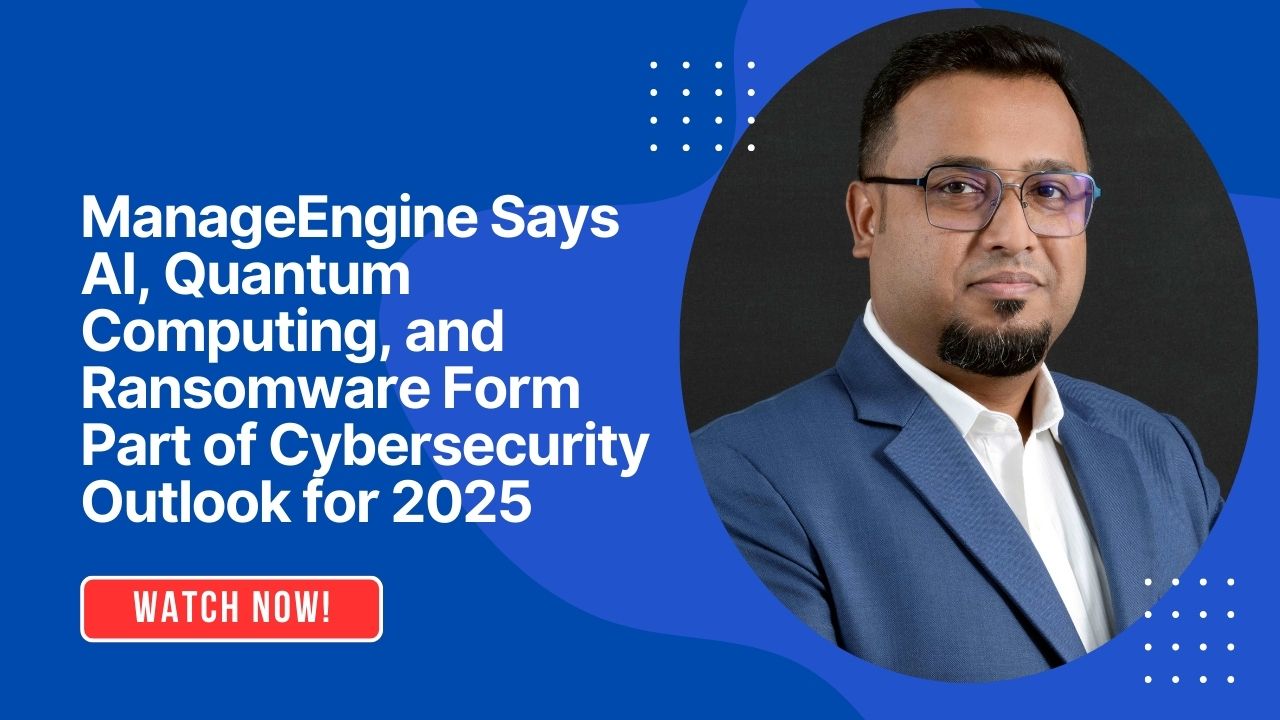
As AI-powered attacks and quantum computing reshape the cyber threat landscape, organizations must rethink traditional defense strategies. In an exclusive interview, Sujoy Banerjee, Associate Director at ManageEngine, reveals how businesses can prepare for 2025’s most critical threats—from AI-generated phishing scams to quantum-decrypted ransomware (more…)
GISEC
Positive Technologies @ GISEC Global 2025: Demonstrating Cutting-Edge Cyber Threats and AI Defense Strategies

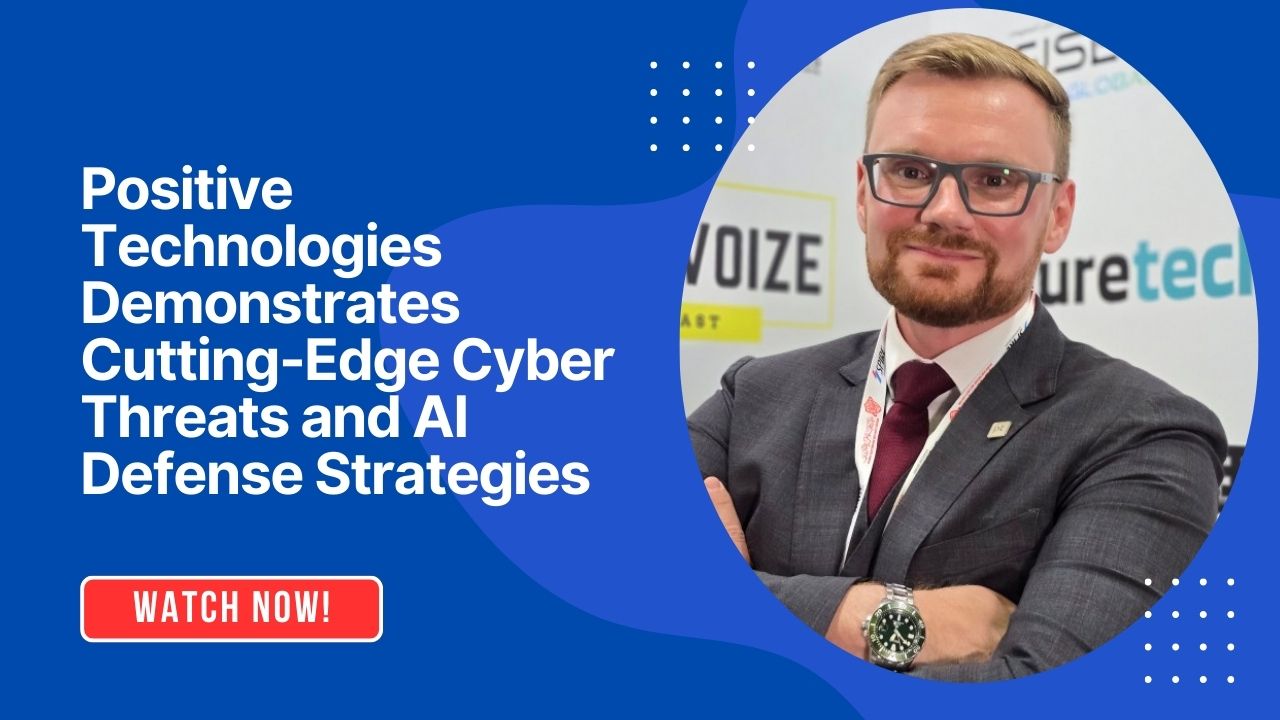
At GISEC Global 2025, Positive Technologies showcased live demonstrations of sophisticated hacking techniques while emphasising the growing role of AI in both cyber attacks and defense. In an exclusive interview with Security Review, Ilya Leonov, the Regional Director at Positive Technologies revealed insights about the Middle East’s evolving threat landscape, their work with regional governments, and why investing in human expertise remains critical despite advancing technologies (more…)

Positive Technologies Reports 80% of Middle East Cyberattacks Compromise Confidential Data

Qualys Partners with Teksalah, the First Middle Eastern MSP in its mROC Alliance

CyberKnight Sets Up South Africa Entity

ManageEngine Enhances PAM with Native Intelligence

EcoOnline Expands into Middle East

OPSWAT Joins GISEC 2025 as Middle East Confronts AI-Driven Cyber Threats

GISEC Global 2025: SANS Institute to Showcase Elite Cybersecurity Training and Threat Expertise

Fortinet Expands FortiAI Across its Security Fabric Platform

GISEC 2025 Launches OT Security Conference Amid 49% Infrastructure Attack Surge

How AI is Reinventing Cybersecurity for the Automotive Industry

Positive Technologies @ GISEC Global 2025: Demonstrating Cutting-Edge Cyber Threats and AI Defense Strategies

Group-IB @ GISEC Global 2025: Tackling Evolving Cyber Threats with Localised Intelligence and AI

Video: Wallarm Unveils the Key to Cloud-Native API Security at GISEC Global 2025

Video: CyberKnight on Zero Trust, AI, and Saudi Arabia’s Digital Transformation at GISEC Global 2025

Video: SANS Institute Weighs in on Deepfakes, Model Poisoning and Risk Frameworks at GISEC Global 2025
-
 GISEC1 week ago
Positive Technologies @ GISEC Global 2025: Demonstrating Cutting-Edge Cyber Threats and AI Defense Strategies
-

 Cyber Security1 week ago
Axis Communications Sheds Light on Video Surveillance Industry Perspectives on AI
-
 GISEC1 week ago
Video: SANS Institute Weighs in on Deepfakes, Model Poisoning and Risk Frameworks at GISEC Global 2025
-

 GISEC1 week ago
ManageEngine @ GISEC Global 2025: AI, Quantum Computing, and Ransomware Form Part of Cybersecurity Outlook for 2025
-
 GISEC1 week ago
Video: SentinelOne Speaks Hyperautomation, Purple AI, and the Future of Threat Detection at GISEC Global 2025
-
 Africa Focus6 days ago
CyberKnight Sets Up South Africa Entity
-
 GISEC1 week ago
Group-IB @ GISEC Global 2025: Tackling Evolving Cyber Threats with Localised Intelligence and AI
-
 GISEC1 week ago
Video: CyberKnight on Zero Trust, AI, and Saudi Arabia’s Digital Transformation at GISEC Global 2025