
GISEC
GISEC 2022: Fortinet to Participate Along With its Distributor Exclusive Networks


Alain Penel, the Regional Vice President for the Middle East at Fortinet, says, one of the most challenging jobs CISO faces is preparing for the next round of threats
What is your theme of participation at the event?
Fortinet will be participating at the show along with our distributor – Exclusive Networks and will be present in Hall 6 Booth # B60. The expanding attack surface, increasingly sophisticated cyber threats, and network security complexity create challenges for organizations in every industry.
They should look into a security platform based on a cybersecurity mesh architecture with security solutions that are designed to work together. Broad reach, native integration, and advanced, artificial intelligence-based automation are the key attributes of the mesh approach. They are precisely the core attributes of the Fortinet Security Fabric, which will be in the spotlight in this edition.
In addition, Fortinet is providing the convergence of security and networking by delivering industry-first innovations such as Secure SD-WAN. Fortinet Secure SD-WAN is powered by the industry’s first custom-built SD-WAN ASIC, which improves security posture effectiveness and user experience while making it the most cost-effective solution on the market.
In addition, Fortinet Secure SD-WAN is powered by a single operating system, FortiOS, and a single management console. Running all security, networking, and connectivity functions on a single OS improves efficiency across all WAN and cloud edges.
Last but not least, Cloud will remain a key topic this year. Today’s organizations rely heavily on cloud applications in order to be at the forefront of digital innovations and to keep their users connected and their businesses thriving. They need to implement an integrated platform approach to address the various issues that highly distributed cloud environments may introduce. Adaptive Cloud Security platforms make this possible by protecting workloads and applications both in on-premises data centers, as well as in any cloud environment — with built-in multilayer security for all cloud-based applications.
What according to you are the challenges faced by CISOs and Cybersecurity experts today?
One of the most challenging jobs every CISO faces is preparing for the next round of threats designed to disrupt their business, compromise critical devices and systems, steal or destroy data, and extort money. According to the Threat Predictions report from FortiGuard Labs, CISOs can expect to see continued growth in ransomware as well as a growing volume of attacks due to the expanding Crime-as-a-Service market.
This spike in new attacks will soon include Linux platforms with more botnet malware being written for Linux platforms. This expands the attack surface further, out to the network edge. Indeed, we expect to see more activity targeting edge devices traditionally overlooked by cybercriminals such as satellites. And we also expect to see more cybercriminals targeting Operational Technology (OT) systems.









Cyber Security
Positive Technologies Reports 80% of Middle East Cyberattacks Compromise Confidential Data


A new study by cybersecurity firm Positive Technologies has shed light on the evolving cyber threat landscape in the Middle East, revealing that a staggering 80% of successful cyberattacks in the region lead to the breach of confidential information. The research, examining the impact of digital transformation, organized cybercrime, and the underground market, highlights the increasing exposure of Middle Eastern nations to sophisticated cyber threats.
The study found that one in three successful cyberattacks were attributed to Advanced Persistent Threat (APT) groups, which predominantly target government institutions and critical infrastructure. While the rapid adoption of new IT solutions is driving efficiency, it simultaneously expands the attack surface for malicious actors.
Cybercriminals in the region heavily utilize social engineering tactics (61% of cases) and malware (51%), often employing a combination of both. Remote Access Trojans (RATs) emerged as a primary weapon in 27% of malware-based attacks, indicating a common objective of gaining long-term access to compromised systems.
The analysis revealed that credentials and trade secrets (29% each) were the most sought-after data, followed by personal information (20%). This stolen data is frequently leveraged for blackmail or sold on the dark web. Beyond data theft, 38% of attacks resulted in the disruption of core business operations, posing significant risks to critical sectors like healthcare, transportation, and government services.
APT groups are identified as the most formidable threat actors due to their substantial resources and advanced technical capabilities. In 2024, they accounted for 32% of recorded attacks, with a clear focus on government and critical infrastructure. Their activities often extend beyond traditional cybercrime, encompassing cyberespionage and even cyberwarfare aimed at undermining trust and demonstrating digital dominance.
Dark web analysis further revealed that government organizations were the most frequently mentioned targets (34%), followed by the industrial sector (20%). Hacktivist activity was also prominent, with ideologically motivated actors often sharing stolen databases freely, exacerbating the cybercrime landscape.
The United Arab Emirates, Saudi Arabia, Israel, and Qatar, all leaders in digital transformation, were the most frequently cited countries on the dark web in connection with stolen data. Experts suggest that the prevalence of advertisements for selling data from these nations underscores the challenges of securing rapidly expanding digital environments, which cybercriminals are quick to exploit.
Positive Technologies analyst Alexey Lukash said, “In the near future, we expect cyberthreats in the Middle East to grow both in scale and sophistication. As digital transformation efforts expand, so does the attack surface, creating more opportunities for hackers of all skill levels. Governments in the region need to focus on protecting critical infrastructure, financial institutions, and government systems. The consequences of successful attacks in these areas could have far-reaching implications for national security and sovereignty.”
To help organizations build stronger defenses against cyberthreats, Positive Technologies recommends implementing modern security measures. These include vulnerability management systems to automate asset management, as well as identify, prioritize, and remediate vulnerabilities. Positive Technologies also suggests using network traffic analysis tools to monitor network activity and detect cyberattacks. Another critical layer of protection involves securing applications. Such solutions are designed to identify vulnerabilities in applications, detect suspicious activity, and take immediate action to prevent attacks.
Positive Technologies emphasizes the need for a comprehensive, result-driven approach to cybersecurity. This strategy is designed to prevent attackers from disrupting critical business processes. Scalable and flexible, it can be tailored to individual organizations, entire industries, or even large-scale digital ecosystems like nations or international alliances. The goal is to deliver clear, measurable results in cybersecurity—not just to meet compliance standards or rely on isolated technical fixes.
GISEC
ManageEngine @ GISEC Global 2025: AI, Quantum Computing, and Ransomware Form Part of Cybersecurity Outlook for 2025
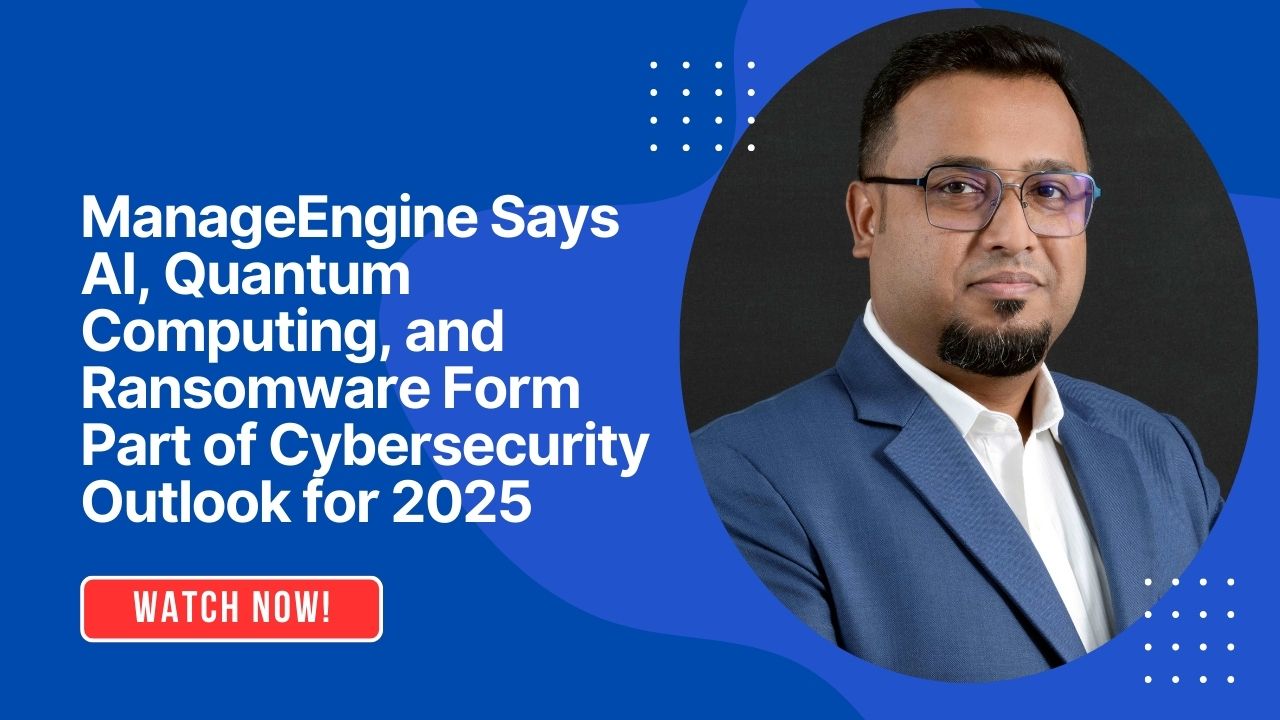
As AI-powered attacks and quantum computing reshape the cyber threat landscape, organizations must rethink traditional defense strategies. In an exclusive interview, Sujoy Banerjee, Associate Director at ManageEngine, reveals how businesses can prepare for 2025’s most critical threats—from AI-generated phishing scams to quantum-decrypted ransomware (more…)
GISEC
Positive Technologies @ GISEC Global 2025: Demonstrating Cutting-Edge Cyber Threats and AI Defense Strategies

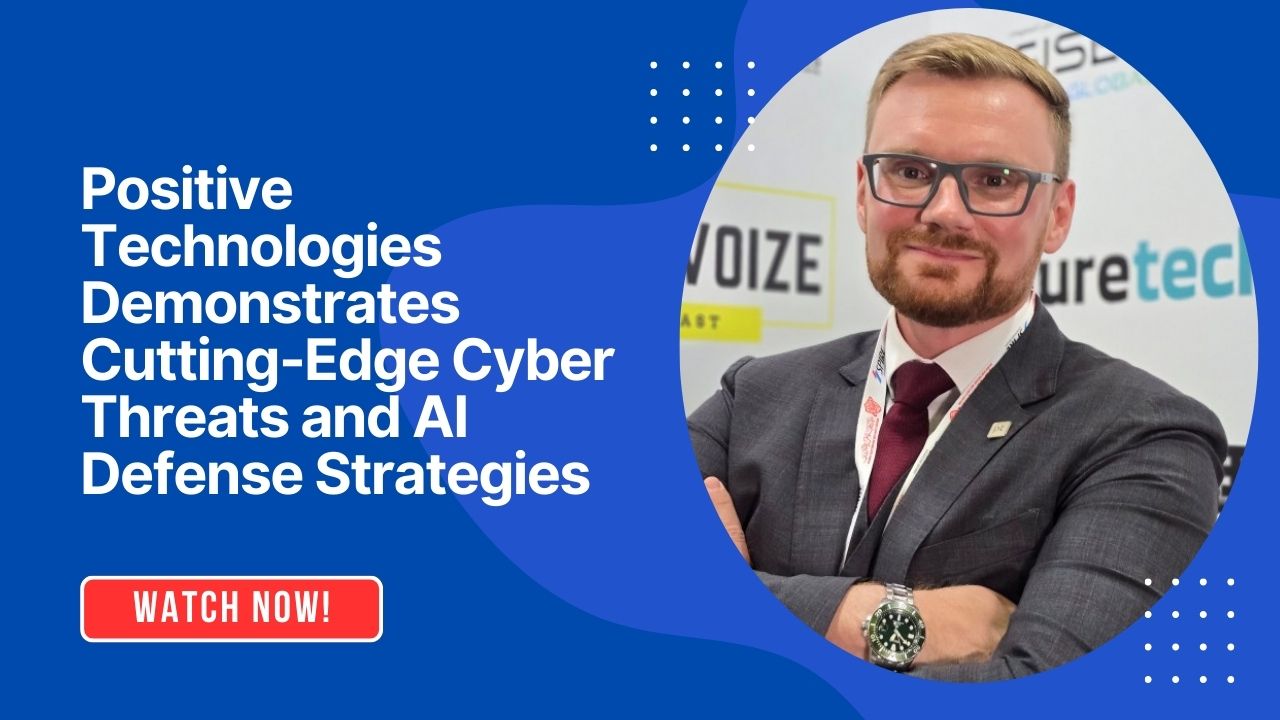
At GISEC Global 2025, Positive Technologies showcased live demonstrations of sophisticated hacking techniques while emphasising the growing role of AI in both cyber attacks and defense. In an exclusive interview with Security Review, Ilya Leonov, the Regional Director at Positive Technologies revealed insights about the Middle East’s evolving threat landscape, their work with regional governments, and why investing in human expertise remains critical despite advancing technologies (more…)

Positive Technologies Reports 80% of Middle East Cyberattacks Compromise Confidential Data

Qualys Partners with Teksalah, the First Middle Eastern MSP in its mROC Alliance

CyberKnight Sets Up South Africa Entity

ManageEngine Enhances PAM with Native Intelligence

EcoOnline Expands into Middle East

OPSWAT Joins GISEC 2025 as Middle East Confronts AI-Driven Cyber Threats

GISEC Global 2025: SANS Institute to Showcase Elite Cybersecurity Training and Threat Expertise

Fortinet Expands FortiAI Across its Security Fabric Platform

How AI is Reinventing Cybersecurity for the Automotive Industry

GISEC 2025 Launches OT Security Conference Amid 49% Infrastructure Attack Surge

Positive Technologies @ GISEC Global 2025: Demonstrating Cutting-Edge Cyber Threats and AI Defense Strategies

Group-IB @ GISEC Global 2025: Tackling Evolving Cyber Threats with Localised Intelligence and AI

Video: Wallarm Unveils the Key to Cloud-Native API Security at GISEC Global 2025

Video: CyberKnight on Zero Trust, AI, and Saudi Arabia’s Digital Transformation at GISEC Global 2025

Video: SANS Institute Weighs in on Deepfakes, Model Poisoning and Risk Frameworks at GISEC Global 2025
-
 GISEC1 week ago
Positive Technologies @ GISEC Global 2025: Demonstrating Cutting-Edge Cyber Threats and AI Defense Strategies
-

 Cyber Security1 week ago
Axis Communications Sheds Light on Video Surveillance Industry Perspectives on AI
-
 GISEC1 week ago
Video: SANS Institute Weighs in on Deepfakes, Model Poisoning and Risk Frameworks at GISEC Global 2025
-
 GISEC1 week ago
ManageEngine @ GISEC Global 2025: AI, Quantum Computing, and Ransomware Form Part of Cybersecurity Outlook for 2025
-
 GISEC1 week ago
Video: SentinelOne Speaks Hyperautomation, Purple AI, and the Future of Threat Detection at GISEC Global 2025
-
 Africa Focus6 days ago
CyberKnight Sets Up South Africa Entity
-
 GISEC1 week ago
Group-IB @ GISEC Global 2025: Tackling Evolving Cyber Threats with Localised Intelligence and AI
-
 GISEC1 week ago
Video: CyberKnight on Zero Trust, AI, and Saudi Arabia’s Digital Transformation at GISEC Global 2025