
Interviews
Women in Security: The Way to the Top is Certainly Harder for Women

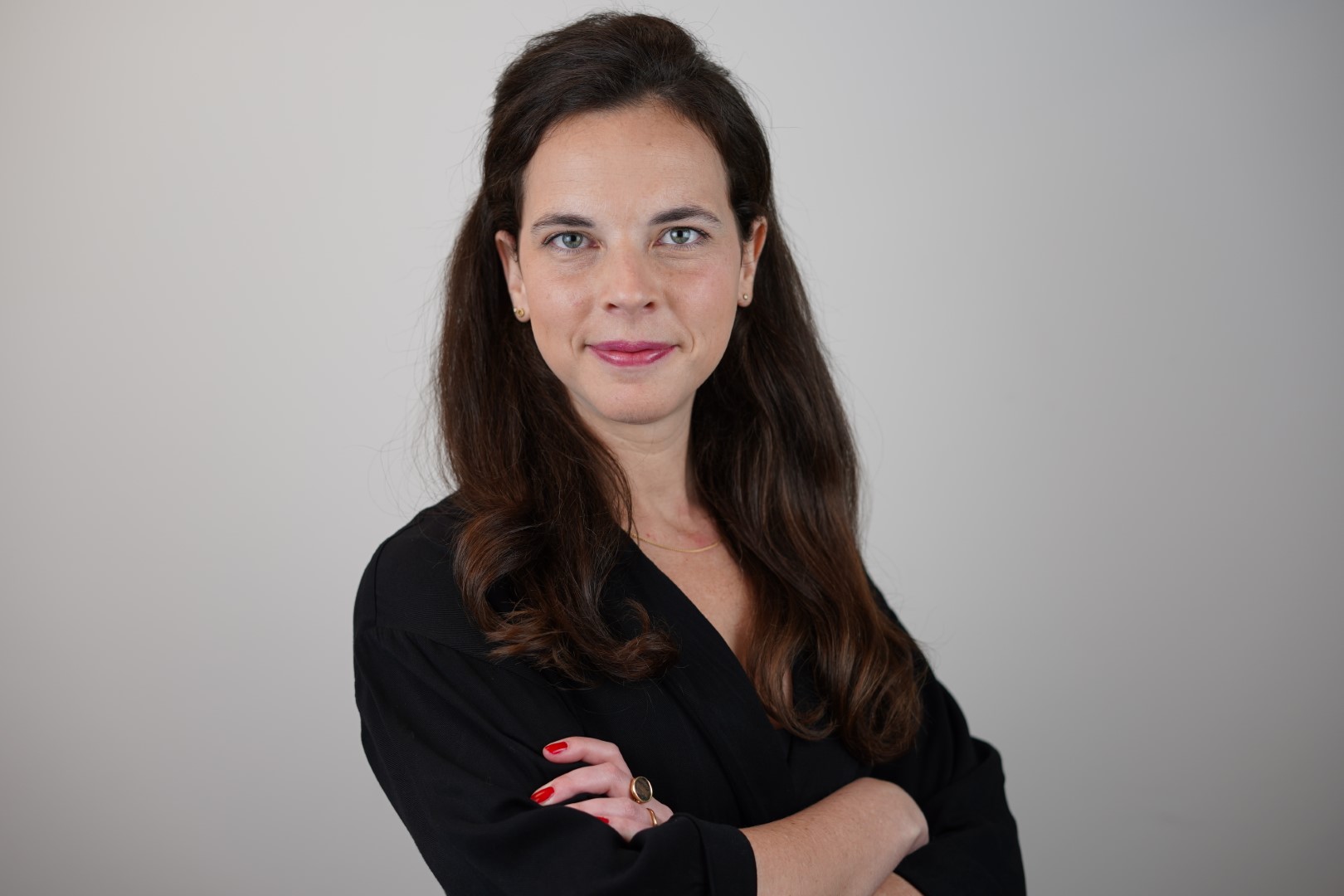
 Maya Horowitz, VP Research at Check Point Software Technologies, says that organisations should carry out women mentoring programs
Tell us about yourself and your current job role.
I’m the VP of Research in Check Point Software Technologies. Check Point Research (cp<r>) is in charge of analyzing the cyber threat landscape, making sure our customers are protected from the state of the art of cyber-attacks, as well as identifying new malware, campaigns and vulnerabilities and publishing them for the benefit of the entire security community.
Tell us about your journey into the security industry. Was the security industry your first choice?
I got into the cyber industry through my 10-year-service in the Israeli Defense Forces. It wasn’t my first choice, which is why my studies were unrelated to cyber or high-tech at all; I studied psychology and business management, and my thesis was related to cancer research. After completing my master’s degree, I joined Check Point Software based on my background from IDF, and I’ve been here for the last 7 years.
During your tenure in the security industry have you experienced major changes the industry has gone through?
The most overwhelming change in the cybersecurity industry is the growing number of start-up companies and point solutions. It’s almost as if every new cyber-attack is grounds for a new company, which means that to be protected against all attacks – organizations allegedly need to work with an infinite number of security providers. Check Point Software, aims at providing a more holistic solution, and I believe this is the future of the industry – moving back to consolidation, to avoid having to chaise numerous products.
Are there any challenges you face on a day-to-day basis working in this industry?
As a woman in the industry, and especially as a senior manager, I often find myself to be the only woman in the room, which can get a bit lonely. On the other hand, it also means that I am different, and this can actually mean that my voice is different and it’s easier to be heard and remembered.
I also think that while there is no glass ceiling, the way to the top is certainly harder for women. As men’s behavior is more the manager stereotype (based on decades of male leadership), we have to work against the stereotype and prove that we are worthy managers, usually to our male managers who appreciate the stereotype.
And interestingly, the stereotype doesn’t only apply to the managers, but also to the candidates. Too often I find myself trying to convince a female employee or mentee that she is more than capable of a managerial or professional promotion. I consistently see insecurities and exaggerated perfectionism in super-qualified women, and I wish we would take these leaps of faith in ourselves as easily as men do.
What sort of future do you foresee for the security industry as a whole?
The cybersecurity industry will keep doing the cat and mouse game with the hackers – with new attack tricks, new protections will emerge, and vice versa. Like in a physical war, this will keep happening until a real tie-breaker is invented – the nuclear power of technology which will be a game-changer. What will it be? Quantum computing? New implementation for blockchain? Time will tell.
What more needs to be done to welcome more and more women into the security industry?
From a very young age, essentially from the moment we are born, girls are less exposed to technology – while our brothers get to play in robots, we would typically get a barbie doll for the present. We are later less keen to join the “boyish” majors in schools like computers, physics, and mathematics, and the same later in university.
And so, unfortunately, by the time we get to the age where we start our career, it can be too late to divert our path to technology. I was lucky enough to be “forced” into technology as part of my military service, which made me understand that this is where I belong, but I could have easily missed this opportunity otherwise.
In other words, the burden of welcoming women into the security/technology industry actually falls on parents, as well as kindergarten and elementary school teachers, to not limit girls’ toys, hobbies, and perspectives. Still, the industry can do at least a few things to encourage women to join – while I don’t believe in affirmative action, managers should proactively seek to employ amazing women as part of their organizations, and give equal chance.
Some examples are emphasis on using gender-neutral phrasing in job descriptions, advertising in women tech forums, and even making sure the candidate is exposed to female peers/managers in the hiring process. And eventually, to avoid drop-outs of women who look around and don’t see their likes, it is also important for organizations to carry out women mentoring programs.
GISEC
ManageEngine @ GISEC Global 2025: AI, Quantum Computing, and Ransomware Form Part of Cybersecurity Outlook for 2025

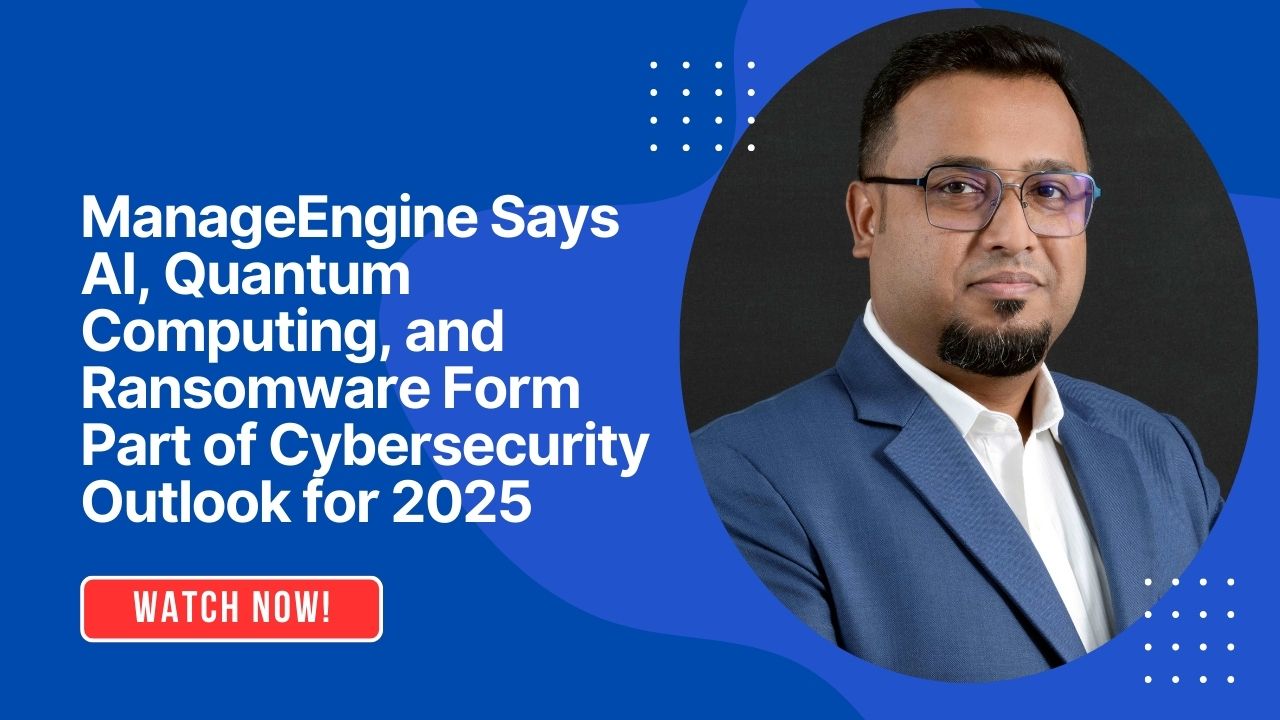
As AI-powered attacks and quantum computing reshape the cyber threat landscape, organizations must rethink traditional defense strategies. In an exclusive interview, Sujoy Banerjee, Associate Director at ManageEngine, reveals how businesses can prepare for 2025’s most critical threats—from AI-generated phishing scams to quantum-decrypted ransomware (more…)
GISEC
Positive Technologies @ GISEC Global 2025: Demonstrating Cutting-Edge Cyber Threats and AI Defense Strategies

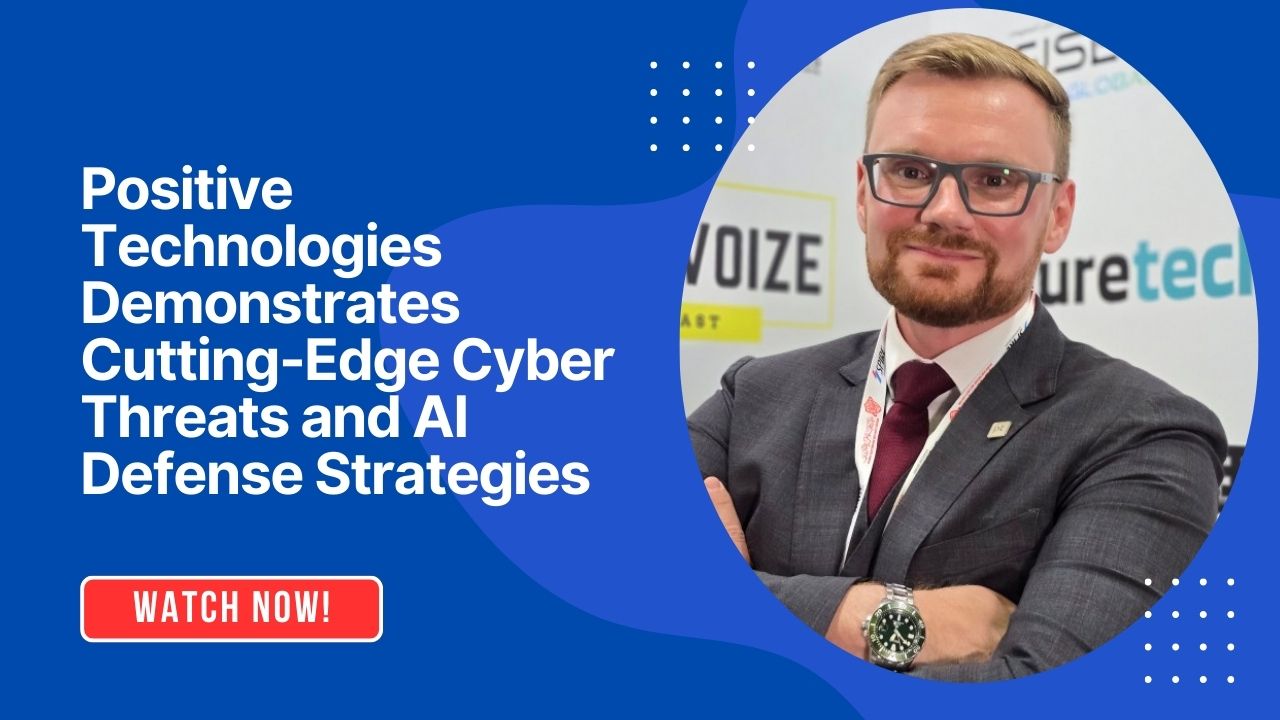
At GISEC Global 2025, Positive Technologies showcased live demonstrations of sophisticated hacking techniques while emphasising the growing role of AI in both cyber attacks and defense. In an exclusive interview with Security Review, Ilya Leonov, the Regional Director at Positive Technologies revealed insights about the Middle East’s evolving threat landscape, their work with regional governments, and why investing in human expertise remains critical despite advancing technologies (more…)
GISEC
Group-IB @ GISEC Global 2025: Tackling Evolving Cyber Threats with Localised Intelligence and AI
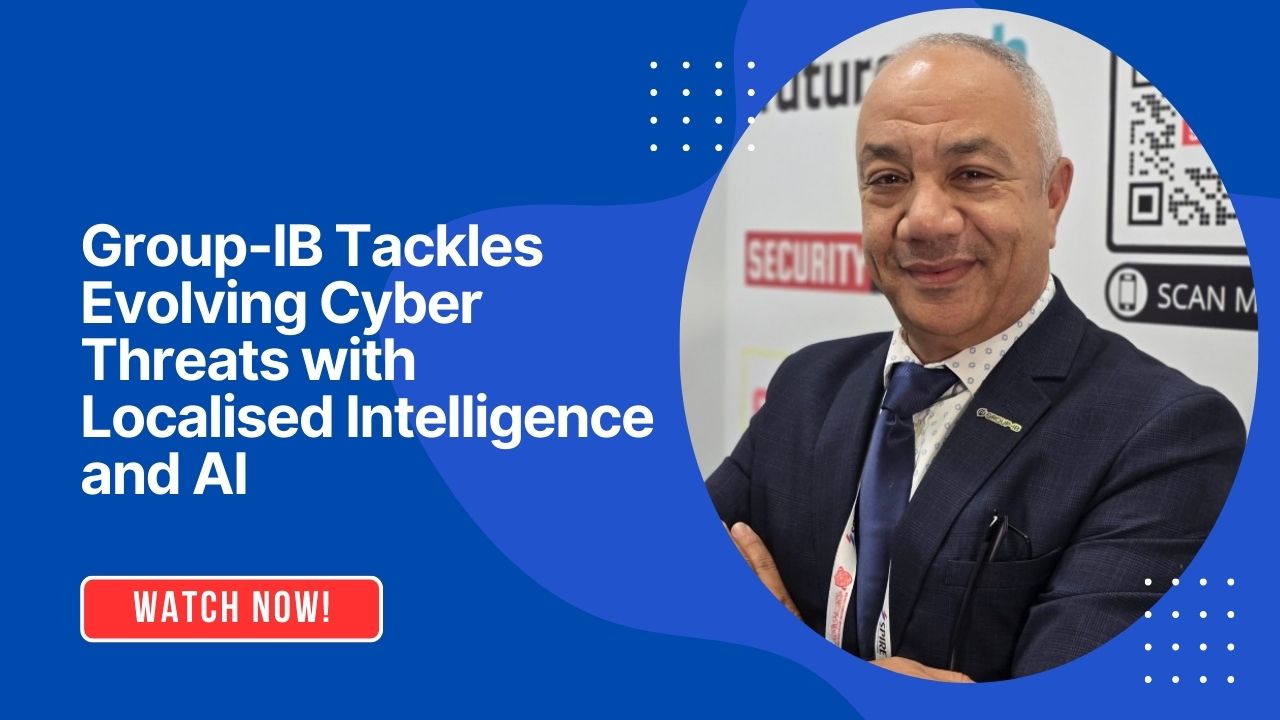
At this year’s GISEC Global, cybersecurity firm Group-IB showcased its expanding role in combating increasingly sophisticated cyber threats. In an exclusive interview with Security Review, Ashraf Koheil, the META Director of Business at Group-IB, discussed the company’s growing presence at GISEC, emerging cybercrime trends, and how their AI-powered threat intelligence platform is helping businesses and governments stay ahead of attackers (more…)

Positive Technologies Reports 80% of Middle East Cyberattacks Compromise Confidential Data

Qualys Partners with Teksalah, the First Middle Eastern MSP in its mROC Alliance

CyberKnight Sets Up South Africa Entity

ManageEngine Enhances PAM with Native Intelligence

EcoOnline Expands into Middle East

OPSWAT Joins GISEC 2025 as Middle East Confronts AI-Driven Cyber Threats

GISEC Global 2025: SANS Institute to Showcase Elite Cybersecurity Training and Threat Expertise

Fortinet Expands FortiAI Across its Security Fabric Platform

How AI is Reinventing Cybersecurity for the Automotive Industry

GISEC 2025 Launches OT Security Conference Amid 49% Infrastructure Attack Surge

Positive Technologies @ GISEC Global 2025: Demonstrating Cutting-Edge Cyber Threats and AI Defense Strategies

Group-IB @ GISEC Global 2025: Tackling Evolving Cyber Threats with Localised Intelligence and AI

Video: Wallarm Unveils the Key to Cloud-Native API Security at GISEC Global 2025

Video: CyberKnight on Zero Trust, AI, and Saudi Arabia’s Digital Transformation at GISEC Global 2025

Video: SANS Institute Weighs in on Deepfakes, Model Poisoning and Risk Frameworks at GISEC Global 2025
-
 GISEC1 week ago
Positive Technologies @ GISEC Global 2025: Demonstrating Cutting-Edge Cyber Threats and AI Defense Strategies
-

 Cyber Security1 week ago
Axis Communications Sheds Light on Video Surveillance Industry Perspectives on AI
-
 GISEC1 week ago
Video: SANS Institute Weighs in on Deepfakes, Model Poisoning and Risk Frameworks at GISEC Global 2025
-
 GISEC1 week ago
ManageEngine @ GISEC Global 2025: AI, Quantum Computing, and Ransomware Form Part of Cybersecurity Outlook for 2025
-
 GISEC1 week ago
Video: SentinelOne Speaks Hyperautomation, Purple AI, and the Future of Threat Detection at GISEC Global 2025
-
 Africa Focus6 days ago
CyberKnight Sets Up South Africa Entity
-
 GISEC1 week ago
Group-IB @ GISEC Global 2025: Tackling Evolving Cyber Threats with Localised Intelligence and AI
-
 GISEC1 week ago
Video: CyberKnight on Zero Trust, AI, and Saudi Arabia’s Digital Transformation at GISEC Global 2025