
Africa Focus
Cyberattacks in Africa Comparable to Other Parts of the Globe: Kaspersky


With digital transformation, a top priority on the corporate agenda as companies identify new ways to grow their business, cyber attackers and opportunist cybercriminals remain very active. And although Africa is not necessarily considered a focus area for the more sophisticated types of cybercriminal activity such as targeted attacks or advanced persistent threats (APTs), the continent is certainly not immune to these or other types of cyber risks, warn Kaspersky researchers.
When looking at the general cyber threat landscape as it impacts consumers and businesses, Kaspersky’s research shows that in 2020, worldwide, approximately 10% of computers experienced at least one malware attack. Interestingly, in some African countries, including South Africa, the figure was only slightly under the global 10% average, making the African region comparable to that of North America or Europe in terms of cyberattacks. On some parts of the continent, in countries like Liberia Tunisia, Algeria, and Morocco as examples, Kaspersky has seen a slightly higher rate, while other parts show a lower rate – a 5% or 6% average. For the first quarter of 2021, the figures are only slightly lower than 10%, both in relative and absolute terms.
Says David Emm, Principal Security Researcher at Kaspersky; “Generally speaking, and based on our research, Africa has the same hit rate as we would see for other parts of the globe when it comes to cyberattacks and activity. This only emphasises that the cyber threat landscape truly does incorporate the whole globe where no continent or country is free of this growing danger and where all consumers, businesses, and industries alike need to pay attention to effective cybersecurity measures – and especially during the current pandemic and resultant turbulent times.”
In South Africa, Kenya, and Nigeria, Kaspersky’s research has identified the top malware families as ransomware, financial/banking trojans, and crypto-miner malware. When comparing Q1 2021 with Q2 2021, Kaspersky saw a 24% increase in ransomware in Q2 2021 in South Africa, as well as an increase of 14% in crypto-miner malware. In Kenya and Nigeria, Kaspersky saw a large increase in financial/banking trojans in Q2 2021 when compared to the figures for Q1 2021 – a 59% increase in Kenya and a 32% increase in Nigeria.
While on a technical level, not much has changed when it comes to cyberattacks, what is different is that the pandemic presents a persistent topic in which the world has a vested interest in. So, unlike the Olympics or Valentine’s Day which is limited in terms of a timeline, the pandemic offers a wealth of opportunities for cybercriminals to use malware to attack. Everything from the daily numbers and lockdown restrictions to vaccinations, hackers are leveraging on every aspect of the current situation to compromise systems.
“While the bulk of attacks are still speculative and randomly targeting individuals and businesses, there is a shift happening with the increase of APTs and more strategically targeted based attacks. These use continuous, clandestine, and sophisticated hacking techniques to gain access to a system and remain inside for a prolonged period, with potentially destructive consequences. Because of the time and effort required to perpetrate such an attack, these are often levelled at high-value targets, such as nation-states and large businesses,” adds Emm.
Furthermore, another concern is that as the cyberthreat landscape evolves, the nature of malware is changing.
Continues Emm, “Take ransomware as an example. In the beginning, it was very random targeting as many people as possible hoping for a relatively small amount of money paid in ransom. During the past five years, there has been a shift with a decline in the number of ransomware families being developed as well as an overall global decline in attacks. However, attackers are now focusing on specific companies and individuals where they can get the maximum benefit. The new approach of ransomware is to expose data, negatively impacting the reputation of a company. To this effect, financial crime has become more sophisticated and organised.”
The financial services sector remains a top targeted industry in Africa when it comes to cybercriminal activity and such cyber threats – not surprising when one considers the digital-first approach this sector continues to take, driven by the needs and expectations of its customers.
“It is relatively easy for a hacker to target an individual and capture passcodes, one-time passwords, and install malware on their computers to get financial information. Increasingly, this is expanding to financial institutions given the sheer number of new entrants in the market emerging. For hackers, online or cyber fraud offers direct monetisation of an attack and gives them access to money as quickly as possible,” adds Emm.
Financial-based malware and cyberattacks are also becoming more targeted, complicated, and difficult to prevent, and with digital transformation progressing at a rapid rate within such a sector, there is no shortage of attack surfaces for cybercriminals to exploit.
“In a world where cybercrime remains rife and is only fuelled by aspects like the pandemic, there is never a moment one should not consider the implications of a cyberattack, especially as the cyberthreat landscape evolves and become even more targeted and sophisticated than it was a mere few years ago. Cybercrime is a business. This means that consumers and companies alike must remain vigilant against an increasing attack surface. Not only does this entail a more focused cyber training approach for staff within an organisation, but also using the latest technologies that feature artificial intelligence and machine learning for accurate and proactive protection and prevention in real-time,” concludes Emm.








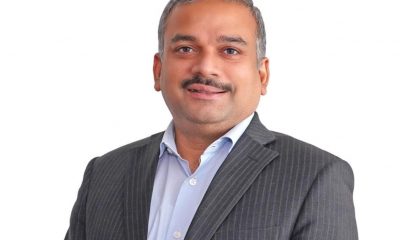



CyberKnight, a prominent regional cybersecurity advisory and value-added distributor, today announced the establishment of its local entity in Johannesburg, South Africa. The company has also appointed Wade Gomes as Country Manager for the SAADC (Southern African Development Community) region. This move underscores CyberKnight’s dedication to supporting the burgeoning Southern African market, where cybersecurity is increasingly becoming a top priority for organisations across various sectors.
“Wade Gomes’ appointment marks an important milestone for CyberKnight in Southern Africa. His deep industry knowledge, decades of experience and leadership will be instrumental as we expand our presence and work closely with our partners and customers,” said Yaadhna Singh Gounden, Regional Director for Sub-Saharan Africa. “Our goal is to enable organisations to navigate the complexities of today’s cybersecurity landscape with confidence, leveraging best-in-class solutions and proven frameworks.”
South Africa’s ongoing digital transformation, coupled with the rising sophistication of cyber threats, has driven a greater emphasis on implementing strong security solutions and adhering to regulatory compliance. The region’s cybersecurity market is characterised by a significant demand for advanced technologies, particularly in areas like cloud security, AI-powered threat detection, and managed security services. As businesses embrace digitalisation, they encounter new vulnerabilities, necessitating scalable and innovative solutions to safeguard sensitive data and ensure uninterrupted operations. The collaborative efforts between government, businesses, and technology providers to bridge skills gaps and strengthen defenses highlight the significant growth potential in the region.
“I’m excited to be part of CyberKnight’s journey in Southern Africa. The region is at a critical point in its cybersecurity evolution, and there’s a real opportunity to make a lasting impact, by combining local expertise with global experience. I’m honored and excited to lead this mission locally, with a goal to transform South Africa into one of CyberKnight’s hubs and a center of excellence, by helping customers stay ahead of threats while maximising the value of their cybersecurity investments,” added Wade Gomes, Country Manager at CyberKnight.
CyberKnight’s establishment in South Africa signifies its complete coverage across the African continent. The company brings its Zero Trust Security philosophy and a portfolio of leading global cybersecurity vendors to assist enterprise and government organisations throughout Africa in managing risk and enhancing resilience as they navigate evolving regulations and threats.

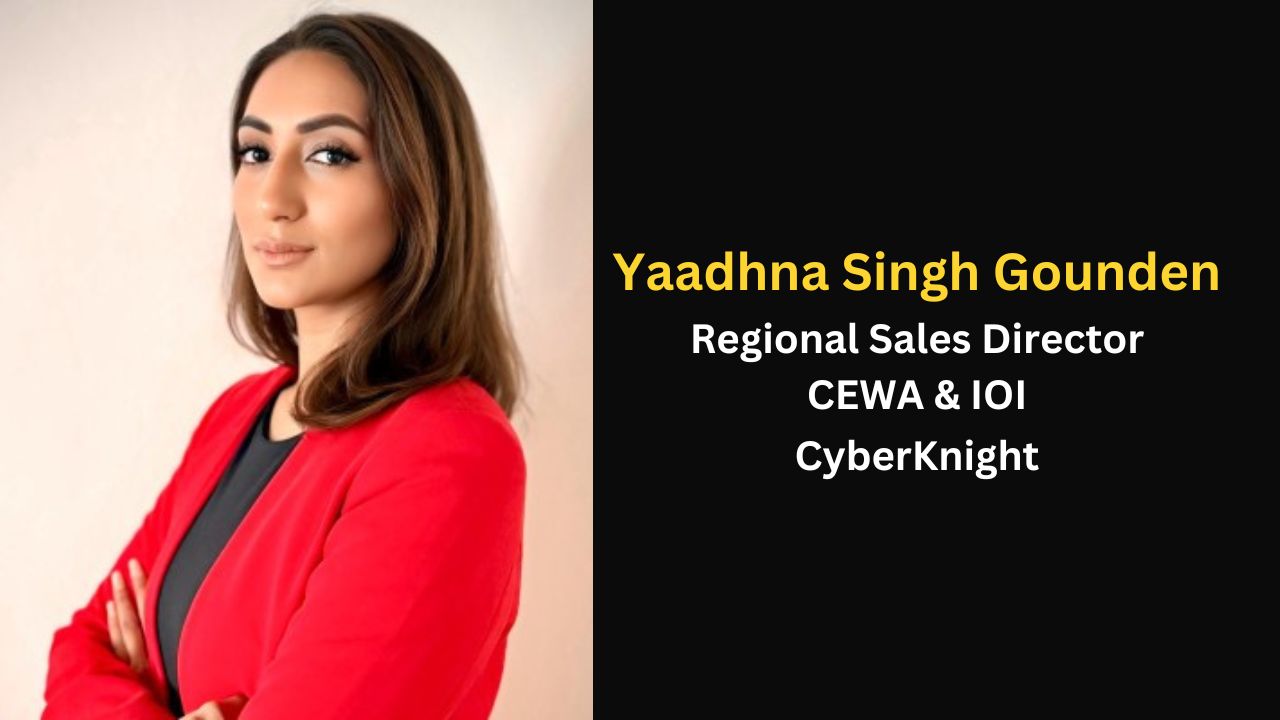
CyberKnight has announced its strategic expansion into the Central, East, and West Africa (CEWA) region, reflecting its commitment to extending cybersecurity expertise and building resilient ecosystems across emerging markets. As part of this regional growth, CyberKnight has appointed Yaadhna Singh Gounden as the Regional Sales Director, CEWA & IOI (Indian Ocean Islands), to support enterprises and government organizations across CEWA to embrace the Zero Trust Security model, helping to safeguard critical assets and meet complex compliance mandates.
With over 17 years of extensive experience in cybersecurity and IT Distribution, Yaadhna brings a wealth of expertise in managing customer and partner relationships and driving business development across the African region. With the CEWA expansion, CyberKnight continues its focus on capacity building, offering advanced cybersecurity technologies and expertise that empower enterprises to tackle evolving threats. The company will leverage its extensive portfolio of Zero Trust solutions, combined with Yaadhna’s leadership, to deliver actionable strategies that enhance regional cyber defences.
“CEWA expansion with the regional key hire marks an important milestone for CyberKnight. This market is witnessing rapid digital adoption and an increasing focus on cybersecurity resilience. CyberKnight’s expansion seeks to address the rising need for advanced solutions and expertise to help enterprises and governments in the region secure their digital ecosystems. Our goal is to bring effective and pragmatic cybersecurity strategies along with Zero Trust Security framework while addressing region-specific challenges,” commented Avinash Advani, Founder and CEO at CyberKnight.
“Joining CyberKnight during such a pivotal time is an exciting opportunity. The challenges in CEWA’s cybersecurity landscape demand tailored approaches. My focus will be on fostering trust, strengthening partnerships, and ensuring that our solutions not only protect but enable businesses to thrive in an increasingly digital world. I look forward to collaborating with our customers and partners while helping CyberKnight deliver on its mission to expand Zero Trust Security across emerging markets,” commented Yaadhna Singh Gounden, Regional Sales Director, CEWA & IOI.
Researchers at Kaspersky keep a close eye on Advanced Persistent Threats (APTs) and are observing 9 active threat actors that currently target organisations in Africa. Whilst these threat actors target a wide range of entities, Kaspersky researchers identified Government, Energy and Telecommunications as the top targets in Africa.
APT groups are complex threat actors that deploy targeted attacks, active for years on end. These groups are often motivated by espionage, monetary gain, or in some cases, hacktivism. According to Kaspersky Intelligence, some of the most prominent groups in the region are MuddyWater, FruityArmor, Sidewinder. Kaspersky also works with legal authorities, providing them with the intelligence needed to track cybercriminals behind these attacks.
These threat actors use a wide range of techniques to infiltrate their victims in the region. Social engineering is a common tactic used on social media or email, such as posting a fake job advert targeting software developers. APT groups also deploy sophisticated modular malware like DeadGlyph and StealerBot, as well as weaponising legitimate, remote applications, online services and cloud platforms – a technique used by MuddyWater APT group to penetrate the targeted site. Furthermore, these groups can target third-party providers and infiltrate their victims through supply chains.
“The current geopolitical climate is a hotbed for APT activity, therefore, investigating these attacks and gaining intelligence on their movement is vital for security teams and corporations in Africa. Our research allows businesses and government entities to determine the significance of the threat posed, understand the attackers’ next move and accordingly be able to take the appropriate security steps to protect themselves,” said Amin Hasbini, Head of Global Research and Analysis team for Middle East, Turkiye and Africa at Kaspersky.
With every APT investigation, Kaspersky’s Global Research and Analysis Team (GReAT) publish comprehensive reports, available on Kaspersky’s Threat Intelligence Portal (https://apo-opa.co/3XTZYyc). The reports offer crucial APT detection and forensic capabilities, enabling effective mitigation and remediation.
To avoid falling victim to a targeted attack by APT groups, Kaspersky researchers also recommend implementing the following measures:
- Limit access to third parties and require continuous inspection of access within their supply chain.
- For endpoint-level detection, investigation, and timely remediation of incidents, implement EDR solutions such as Kaspersky Next.
- In addition to adopting essential endpoint protection, implement a corporate-grade security solution that detects advanced threats on the network level at an early stage, such as the Kaspersky Anti-Targeted Attack Platform.
- The energy sector and other critical infrastructures should use security solutions for operation technology endpoints and networks, such as Kaspersky Industrial CyberSecurity, to ensure comprehensive protection for all systems.
- Upskill your cybersecurity team to tackle the latest threats with Kaspersky online training, developed by GReAT experts.
- Educate employees depending on their IT knowledge with cybersecurity courses such as those available within the Kaspersky Security Awareness Platform.

Positive Technologies Reports 80% of Middle East Cyberattacks Compromise Confidential Data

Qualys Partners with Teksalah, the First Middle Eastern MSP in its mROC Alliance

CyberKnight Sets Up South Africa Entity

ManageEngine Enhances PAM with Native Intelligence

EcoOnline Expands into Middle East

OPSWAT Joins GISEC 2025 as Middle East Confronts AI-Driven Cyber Threats

GISEC Global 2025: SANS Institute to Showcase Elite Cybersecurity Training and Threat Expertise

Fortinet Expands FortiAI Across its Security Fabric Platform

GISEC 2025 Launches OT Security Conference Amid 49% Infrastructure Attack Surge

How AI is Reinventing Cybersecurity for the Automotive Industry

Positive Technologies @ GISEC Global 2025: Demonstrating Cutting-Edge Cyber Threats and AI Defense Strategies

Group-IB @ GISEC Global 2025: Tackling Evolving Cyber Threats with Localised Intelligence and AI

Video: Wallarm Unveils the Key to Cloud-Native API Security at GISEC Global 2025

Video: CyberKnight on Zero Trust, AI, and Saudi Arabia’s Digital Transformation at GISEC Global 2025

Video: SANS Institute Weighs in on Deepfakes, Model Poisoning and Risk Frameworks at GISEC Global 2025
-
 GISEC1 week ago
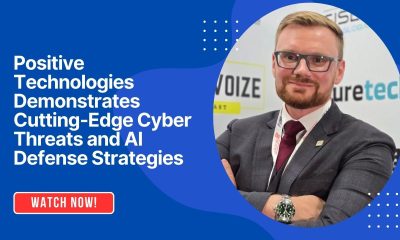
Positive Technologies @ GISEC Global 2025: Demonstrating Cutting-Edge Cyber Threats and AI Defense Strategies
-

 Cyber Security1 week ago
Axis Communications Sheds Light on Video Surveillance Industry Perspectives on AI
-
 GISEC1 week ago
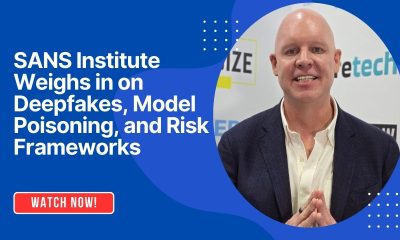
Video: SANS Institute Weighs in on Deepfakes, Model Poisoning and Risk Frameworks at GISEC Global 2025
-
 GISEC1 week ago
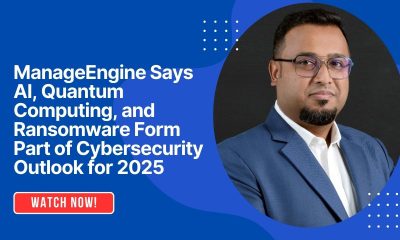
ManageEngine @ GISEC Global 2025: AI, Quantum Computing, and Ransomware Form Part of Cybersecurity Outlook for 2025
-
 GISEC1 week ago
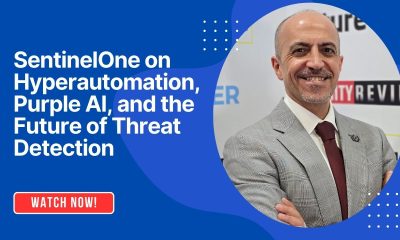
Video: SentinelOne Speaks Hyperautomation, Purple AI, and the Future of Threat Detection at GISEC Global 2025
-
 Africa Focus6 days ago
CyberKnight Sets Up South Africa Entity
-
 GISEC1 week ago
Group-IB @ GISEC Global 2025: Tackling Evolving Cyber Threats with Localised Intelligence and AI
-
 GISEC1 week ago
Video: CyberKnight on Zero Trust, AI, and Saudi Arabia’s Digital Transformation at GISEC Global 2025